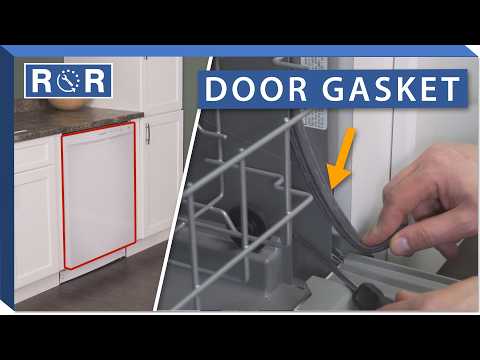
Dishwasher Door Gasket
The Unsung Hero of Your Kitchen: Understanding Your Dishwasher Door Gasket
Your dishwasher is a true workhorse, tackling mountains of dirty dishes day after day. But there's a small, often overlooked component that plays a colossal role in its efficiency and leak-free operation: the dishwasher door gasket. If you've ever found a puddle on your kitchen floor after a wash cycle, this humble rubber or silicone seal is likely the culprit. Understanding its function, recognizing signs of wear, and knowing when to replace it can save you significant headaches and repair costs.
What Exactly is a Dishwasher Door Gasket?
Simply put, the dishwasher door gasket (also sometimes called a door seal) is a flexible strip, typically made of rubber or silicone, that creates a watertight seal between the dishwasher door and the appliance tub when the door is closed. It's usually located around the perimeter of the dishwasher opening or along the edge of the door itself. Its primary job is to keep all that hot, soapy water inside the machine during a wash cycle, ensuring efficient cleaning and preventing leaks that could damage your flooring or cabinetry.
Signs Your Dishwasher Gasket is Failing
A failing gasket often gives clear warnings before things get too messy. Here are the most common signs to look out for:
- Water Leaks: This is the most obvious sign. If you see water dripping or pooling on the floor in front of your dishwasher, especially near the bottom corners of the door, a compromised gasket is a prime suspect.
- Poor Cleaning Performance: A leaky gasket can lead to a loss of water pressure and heat inside the dishwasher, resulting in dishes that aren't getting as clean as they should be.
- Visible Damage: Inspect the gasket for any visible cracks, tears, nicks, or signs of hardening and brittleness.
- Mold or Mildew: Persistent moisture around a damaged gasket can encourage mold and mildew growth, often accompanied by an unpleasant odor.
- Door Not Sealing Properly: If the door doesn't feel snug when closed, or if you can easily push it in further, the gasket might be flattened or worn out, failing to create a proper seal.
Why Do Dishwasher Gaskets Fail?
Like any component that sees regular use, dishwasher gaskets are subject to wear and tear. Common reasons for failure include:
- Age and Wear: Over time, the rubber or silicone can simply degrade, becoming less pliable, cracking, or tearing.
- Food Debris Buildup: Food particles, grease, and detergent residue can accumulate on and under the gasket, causing it to harden, warp, or tear when the door is closed.
- Harsh Cleaning Products: Using abrasive cleaners or harsh chemicals directly on the gasket can accelerate its degradation.
- Physical Damage: Accidental nicks from loading dishes or forcing the door closed on an obstruction can damage the seal.
- Heat Exposure: Constant exposure to hot water and steam can eventually cause the material to become brittle.
Troubleshooting and Inspecting Your Gasket
If you suspect a gasket issue, a simple visual inspection is your first step. Open your dishwasher door and carefully examine the entire length of the gasket. Look for the signs of failure mentioned above. Feel the material – is it still soft and pliable, or has it become hard and stiff? Gently pull it away from the channel it sits in to check for hidden debris or damage.
For a clear visual guide on how to identify gasket problems and even how to begin the repair process, we highly recommend watching this helpful video: Dishwasher Door Gasket Replacement Guide. It offers excellent insights into what to look for and how to approach the replacement.
Replacing a Dishwasher Door Gasket: A DIY-Friendly Repair
The good news is that replacing a dishwasher door gasket is often a straightforward, DIY-friendly repair that doesn't require specialized tools. Before you start, always remember to disconnect power to your dishwasher for safety.
The general steps involve:
- Purchasing the correct replacement gasket for your specific dishwasher model.
- Carefully removing the old, damaged gasket (it usually pulls out of a channel).
- Thoroughly cleaning the channel where the gasket sits to remove any accumulated grime.
- Installing the new gasket, often by pressing it firmly into place.
The video we referenced earlier (Dishwasher Door Gasket Replacement Guide) provides excellent step-by-step instructions that can greatly assist you with this process, showing you exactly how to remove the old and install the new gasket with confidence.
Maintenance Tips to Prolong Gasket Life
A little proactive care can significantly extend the life of your dishwasher gasket:
- Regular Cleaning: Wipe down the gasket with a damp cloth and a mild soap solution regularly (once a month is a good habit) to remove food particles and detergent residue.
- Inspect Periodically: While cleaning, take a moment to inspect the gasket for any early signs of wear or damage.
- Avoid Overloading: Don't cram dishes into your dishwasher in a way that could pinch or damage the gasket when the door closes.
- Use Proper Detergent: Stick to dishwasher-specific detergents and avoid using excessive amounts, which can leave residue.
When to Call a Professional
While gasket replacement is often a DIY task, there are times when calling a professional appliance repair technician is the best course of action. If you're uncomfortable performing the repair yourself, if leaks persist even after replacing the gasket, or if you suspect the issue might be more complex than just the seal (e.g., a damaged door latch or pump issue), it's always wise to seek expert help. A professional can quickly diagnose the problem and ensure your dishwasher is running perfectly.
Keep Your Dishwasher Leak-Free and Efficient
The dishwasher door gasket may be a small component, but its role in your kitchen's cleanliness and safety is immense. By understanding its function, recognizing the signs of wear, and performing simple maintenance or replacement, you can ensure your dishwasher continues to operate efficiently and without unwelcome puddles. Need a new gasket or other appliance parts? Explore our wide selection of high-quality, genuine replacement parts today to keep your appliances running smoothly!