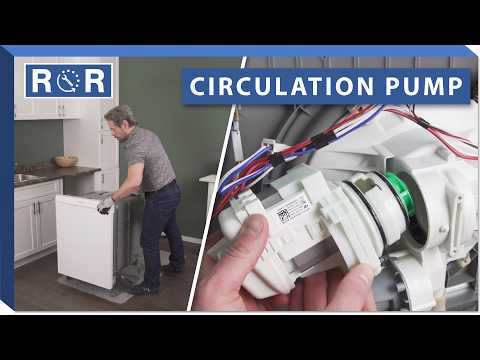
Dishwasher Circulation Pump (Testing / Replacement)
Is Your Dishwasher Not Cleaning? It Might Be the Circulation Pump! (Testing & Replacement Guide)
There's nothing quite as frustrating as opening your dishwasher after a full cycle, expecting sparkling clean dishes, only to find them still covered in food debris. While many issues can cause poor cleaning performance, one of the most common culprits is a faulty circulation pump. This vital component is responsible for spraying water throughout the dishwasher tub, ensuring every dish gets a thorough wash. When it fails, your dishwasher essentially becomes a very expensive drying rack.
Don't despair! A failing circulation pump doesn't always mean a new dishwasher. Often, with a bit of DIY know-how, you can test and even replace this part yourself, saving you hundreds on professional repairs or a brand-new appliance. Let's dive into how you can diagnose and fix this common dishwasher problem.
Symptoms of a Failing Dishwasher Circulation Pump
Identifying the symptoms early can help you pinpoint the issue quickly. Here are the most common signs that your circulation pump might be on its way out:
- Poor Cleaning Performance: This is the most obvious sign. Dishes come out dirty, gritty, or still have food particles attached.
- No Water Spray: During a cycle, if you carefully open the door (most dishwashers will pause), you might notice little to no water spraying from the wash arms. You might hear the motor running, but no water movement.
- Unusual Noises: A failing pump might produce grinding, humming, buzzing, or even squealing noises during the wash cycle. Sometimes it hums loudly but doesn't spray water.
- Dishwasher Runs, But Nothing Happens: The cycle timer progresses, the machine seems to be working, but the wash arms aren't spinning and water isn't being circulated.
- Water Leaks (Less Common): While more typical of a drain pump issue, a severely damaged circulation pump seal could potentially cause leaks from the bottom of the dishwasher.
- Error Codes: Some modern dishwashers may display specific error codes related to pump or motor failure. Consult your owner's manual.
How to Test Your Dishwasher Circulation Pump
Before you jump to replacement, it's crucial to confirm that the circulation pump is indeed the problem. Here’s how to test it:
1. Safety First!
Always, always, ALWAYS disconnect power to your dishwasher before performing any tests or repairs. Either unplug it from the wall or switch off the corresponding circuit breaker.
2. Access the Pump
The circulation pump is typically located underneath the dishwasher tub. You'll usually need to remove the lower kick plate (access panel) at the bottom front of the dishwasher. In some cases, you might need to slide the entire dishwasher out from under the counter or even carefully tilt it onto its back or side for better access. Consult your dishwasher's service manual if you're unsure.
3. Visual Inspection
Once you've located the pump, perform a thorough visual inspection:
- Look for Obvious Damage: Check for burnt marks, cracks, or visible signs of corrosion.
- Check for Blockages: Sometimes, debris like broken glass, food particles, or even a small utensil can get lodged in the pump's impeller, preventing it from spinning. Clear any obstructions carefully.
- Inspect Wiring: Ensure all wires connected to the pump are secure and free from fraying or burning.
4. Electrical Testing with a Multimeter
This step requires a multimeter set to measure resistance (Ohms). If you're not comfortable with electrical testing, it's best to call a professional.
- Disconnect Wires: Carefully disconnect the electrical harness leading to the circulation pump motor.
- Measure Resistance: Place the multimeter probes onto the terminals of the circulation pump motor. You're looking for a specific resistance reading, which can vary significantly by model. A good pump will typically show some resistance (e.g., between 5-20 Ohms).
- Interpret Results:
- Open Circuit (OL or infinite resistance): This indicates a broken winding within the motor, meaning the pump is definitely faulty and needs replacement.
- No Resistance (0 Ohms or very low): This could indicate a short circuit, also meaning the pump is faulty.
- Correct Resistance: If you get a reading within the expected range (you might need to look up the exact specs for your model), the motor itself might be fine, and the issue could be with the capacitor, a seized impeller, or the control board.
How to Replace Your Dishwasher Circulation Pump
If your testing confirms a faulty circulation pump, it's time for replacement. This is a more involved process, but still manageable for many DIYers.
1. Prioritize Safety (Again!)
Ensure the dishwasher is unplugged and the water supply valve is turned off. Have towels ready for potential water spills.
2. Drain Any Remaining Water
If there's standing water in the tub, you'll need to drain it. You can often do this by manually bailing it out or using a wet/dry vac.
3. Access the Pump
As with testing, you'll need to access the pump from underneath. This might involve removing the kick plate, sliding the dishwasher out, and possibly tilting it onto its back or side.
4. Disconnect and Remove the Old Pump
- Disconnect Hoses: There will be a few hoses connected to the pump assembly – inlet, outlet, and possibly a drain hose. Use pliers to release hose clamps and carefully twist and pull off the hoses. Be prepared for residual water.
- Disconnect Wires: Unplug the electrical harness from the pump motor.
- Unmount the Pump: The pump assembly is typically held in place by mounting clips, screws, or a combination. Carefully release these fasteners and remove the old pump assembly. Note how it was oriented and connected. Taking photos with your phone can be a huge help during reassembly!
5. Install the New Circulation Pump
- Prepare the New Pump: Ensure any new gaskets or seals are properly seated on the new pump.
- Mount the New Pump: Position the new pump exactly as the old one was, and secure it with the mounting clips or screws.
- Reconnect Hoses: Reattach all hoses, ensuring the clamps are tight and secure to prevent leaks.
- Reconnect Wires: Plug the electrical harness back into the new pump motor.
6. Reassemble and Test
- Replace Panels: Reattach any access panels or kick plates you removed.
- Restore Power and Water: Turn the water supply back on, then plug in the dishwasher or flip the circuit breaker.
- Run a Test Cycle: Start a short wash cycle and carefully monitor the dishwasher for any leaks around the new pump connections and to ensure water is spraying correctly. Listen for proper operation.
When to Call a Professional
While testing and replacing a circulation pump is a common DIY repair, there are times when it's best to call in the experts:
- If you're uncomfortable working with electricity or plumbing.
- If you can't definitively diagnose the problem after testing.
- If accessing the pump proves too difficult or requires specialized tools you don't have.
- If your dishwasher is under warranty.
- If you perform the replacement and the issue persists.
Get Your Dishwasher Back in Action!
A functioning circulation pump is essential for a clean wash. By understanding the symptoms, and knowing how to test and replace this critical component, you can save money and extend the life of your appliance. If you need a new circulation pump or any other dishwasher part, browse our extensive selection of genuine appliance parts. We're here to help you keep your home running smoothly!