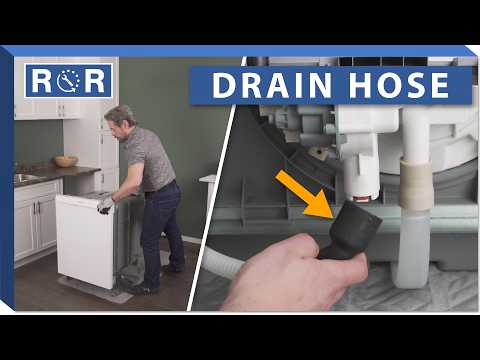
Dishwasher Drain Hose Replacement
Is Your Dishwasher Leaking or Not Draining? It Might Be Time for a New Drain Hose!
There's nothing quite as frustrating as opening your dishwasher after a cycle to find a pool of dirty water at the bottom, or worse, discovering a puddle on your kitchen floor. While these issues can stem from various problems, a common culprit is often the humble dishwasher drain hose. The good news? Replacing it is a surprisingly straightforward DIY repair that can save you a service call and get your kitchen back in working order. Let's dive into how you can tackle this project!
Why Your Dishwasher Drain Hose Might Need Replacing
Your dishwasher's drain hose works hard, shuttling hot, dirty water out of your appliance with every wash cycle. Over time, this constant use, combined with heat and pressure, can take its toll. Here are the most common signs and reasons you might need a new drain hose:
- Leaks: This is the most obvious sign. If you see water pooling under your dishwasher, especially during or after a cycle, inspect the drain hose for cracks, holes, or loose connections.
- Cracks or Kinks: Visible damage to the hose, such as splits, tears, or severe kinks, can impede drainage or cause leaks.
- Clogs: While you might be able to clear a clog, repeated blockages could indicate internal damage or deterioration of the hose lining, making replacement a better long-term solution.
- Age and Wear: Like any rubber or plastic component, drain hoses can degrade over many years of use, becoming brittle and prone to failure.
- Animal Damage: Rodents or other pests can sometimes chew through hoses, creating immediate leaks.
Gather Your Tools and Parts
Before you begin, make sure you have everything you need. This will make the repair process much smoother:
- New Dishwasher Drain Hose: This is crucial! Ensure you get the correct length and diameter for your specific dishwasher model. Check your appliance's manual or look up the part number online.
- Bucket or Shallow Pan: To catch any residual water when disconnecting the old hose.
- Towels/Rags: For spills and cleanup.
- Pliers or Nut Driver/Screwdriver: To loosen and tighten hose clamps.
- Flashlight: To see into tight spaces.
- Zip Ties or Hose Clamps (Optional): If your new hose doesn't come with clamps or if the old ones are corroded.
Safety First! Disconnect Power and Water
Before touching any electrical appliance, safety is paramount. Always perform these two steps:
- Disconnect Power: Locate your home's circuit breaker panel and switch off the breaker that powers your kitchen or dishwasher. If you're unsure, turn off the main breaker.
- Turn Off Water Supply: Find the hot water shut-off valve, usually under the sink where your dishwasher is plumbed in. Turn it off completely.
Step-by-Step: Replacing Your Dishwasher Drain Hose
1. Access Your Dishwasher
Most dishwashers are secured to the underside of the countertop with mounting brackets. You'll typically need to open the dishwasher door and look for screws on the top edge of the appliance. Unscrew these. Then, carefully pull the dishwasher out from its cabinet opening. You might need to adjust the leveling legs slightly to clear the countertop or flooring.
2. Locate the Drain Hose Connections
The drain hose usually connects in two places:
- To the Dishwasher: At the back or bottom of the appliance, often near the motor.
- To the Sink/Disposal: This connection is usually under your kitchen sink, either to a dedicated drain air gap, a T-fitting on the sink drain pipe, or directly to your garbage disposal.
3. Disconnect the Old Hose
Place your bucket or pan under the connections to catch any residual water.
- At the Dishwasher: Use pliers or a screwdriver to loosen the clamp holding the hose to the dishwasher's drain port. Gently twist and pull the hose free.
- At the Sink/Disposal: Loosen the clamp here as well. If connected to a garbage disposal, you might need to use a flathead screwdriver to pry it off.
For a visual guide on disconnecting these, you might find this video helpful, particularly around the 0:50 mark for the dishwasher connection and 1:30 for the garbage disposal connection: Dishwasher Drain Hose Replacement - How to replace a Dishwasher Drain Hose.
4. Install the New Hose
Now, it's time for the new hose.
- Connect to the Dishwasher: Slide a new clamp (if not pre-attached) onto the end of the new hose. Push the hose firmly onto the dishwasher's drain port and secure it tightly with the clamp.
- Route the Hose: Carefully route the new drain hose back through the cabinet opening.
- Connect to the Sink/Disposal: Slide the other end of the hose onto the appropriate connection under your sink (garbage disposal, air gap, or drain T) and secure it with a clamp.
5. Create a High Loop (Crucial Step!)
This is extremely important! If your drain hose doesn't have a built-in high loop, you MUST create one. A high loop prevents dirty water from the sink or garbage disposal from flowing back into your clean dishwasher. It also prevents siphoning, which could cause your dishwasher to continuously drain during a cycle.
To create a high loop, secure the drain hose as high as possible under your kitchen counter using a clamp or zip tie before it drops down to connect to the garbage disposal or drain. The video demonstrates this around the 2:00 mark, showing the hose routed up high before connecting to the disposal. This ensures the highest point of the hose is above the connection point to prevent backflow.
6. Slide the Dishwasher Back and Test
Carefully slide your dishwasher back into its cabinet opening, ensuring the drain hose isn't kinked or pinched behind it. Re-secure the mounting brackets. Turn the water supply back on, then restore power at the circuit breaker. Run a short wash cycle and carefully check all connections for leaks. Watch under the sink and behind the dishwasher.
Pro Tips for a Successful Repair
- Double-Check Clamps: Ensure all hose clamps are tight and secure, but don't overtighten, as this can damage the hose.
- Avoid Kinks: When sliding the dishwasher back, make sure the hose isn't kinked or compressed. This can restrict drainage.
- Proper Routing: Always ensure that high loop! It's a common cause of drainage problems if omitted.
- Inspect Other Hoses: While you have the dishwasher out, it's a good time to quickly inspect the water inlet hose for any signs of wear or leaks.
Dishwasher Draining Properly Again!
Congratulations! By replacing your dishwasher drain hose, you've likely solved your leaking or draining issue and saved yourself money on a professional repair. This DIY fix is a testament to how empowering home appliance maintenance can be. If you followed all the steps and are still experiencing problems, it might be time to consult with an appliance repair professional to diagnose a deeper issue.
Do you have any tips or questions about drain hose replacement? Share them in the comments below!