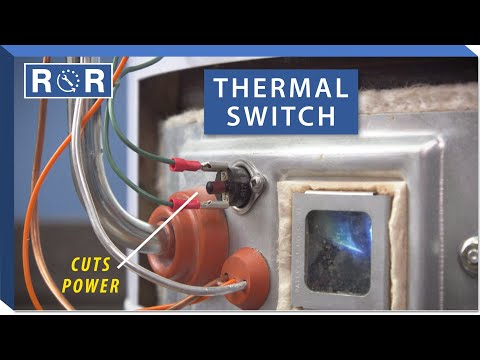
Water Heater - Thermal Cutoff Switch
Understanding the Water Heater Thermal Cutoff Switch: Your First Line of Defense
Picture this: You step into the shower, turn the handle, and instead of a comforting blast of hot water, you are hit with an icy surprise. Naturally, your first instinct is to check the water heater. When you look inside, you might discover that your unit has completely shut down. Before you panic and assume you need to buy a brand-new water heater, there is one crucial safety component you should check first: the thermal cutoff switch.
For both homeowners and DIY enthusiasts, understanding what the thermal cutoff switch does—and how to troubleshoot it—can save you time, stress, and a hefty repair bill. Let’s dive into what this little device is, why it trips, and how to handle it safely.
What Is a Thermal Cutoff Switch and Where Is It Located?
The thermal cutoff switch (sometimes referred to simply as a thermal fuse) is a crucial safety device built into many modern water heaters—particularly gas models. Its primary job is to prevent catastrophic overheating and potential fires.
Inside your gas water heater, a burner heats the water in the tank, and exhaust gases travel up through the center flue. Normally, these gases vent safely out of your home. However, if the flue becomes blocked—perhaps by debris, soot, or a failing draft hood—the excessive heat rolls out of the combustion chamber rather than going up and out.
When the thermal cutoff detects this dangerous rollout temperature, it permanently trips, cutting off the gas supply to the pilot light and burner. Think of it as a selfless circuit breaker: it sacrifices itself to keep your home safe from a destructive fire hazard.
Signs Your Thermal Cutoff Has Tripped
How do you know if the thermal cutoff switch is the culprit behind your cold water? The most common symptom is a pilot light that simply refuses to stay lit. You might be able to light it manually, but the moment you let go of the control knob, the flame goes out. While this can sometimes indicate a faulty thermocouple, a tripped thermal cutoff will completely interrupt the electrical circuit connected to the gas control valve, rendering the pilot impossible to keep lit.
If you want a visual guide on what this component looks like and how to access it, check out this helpful water heater thermal cutoff switch repair video, which walks you through the diagnostic process step-by-step.
Can You Reset It, or Do You Need a Replacement?
One of the most important things to know about a thermal cutoff switch is that it is a one-time-use safety device. Unlike a standard circuit breaker that you can simply flip back on, a thermal cutoff contains a fusible link designed to melt when it reaches a specific high temperature. Once it melts, the internal circuit is permanently broken.
This means that if your thermal cutoff switch has tripped, you cannot reset it. You will need to purchase a replacement switch specific to your water heater make and model. Fortunately, these parts are generally inexpensive and widely available at appliance parts suppliers.
Crucial Warning: Fix the Root Cause First!
Here is the most vital rule of appliance repair: Never replace a tripped thermal cutoff switch without first figuring out why it tripped in the first place.
If the switch did its job, it means your water heater experienced a dangerous rollout of heat. If you simply install a new switch without clearing a blocked flue, cleaning out burner chamber debris, or fixing a venting issue, the new switch will immediately trip the next time the burner runs—or worse, fail to protect your home from a serious fire hazard.
Before installing your new part, inspect the venting system, check for drafts or obstructions, and ensure the combustion air inlets at the base of the heater are clean and free of dust and pet hair. If you are ever unsure about gas appliance safety, do not hesitate to call a certified professional.
Keep Your Home Safe and Efficient
The thermal cutoff switch is a small part with a massive responsibility. By recognizing the signs of a tripped switch and understanding the importance of safety protocols, you can diagnose water heater issues accurately and keep your household running smoothly. When you need replacement parts or expert advice for your next DIY appliance repair, always make sure you're sourcing quality components designed specifically for your unit.