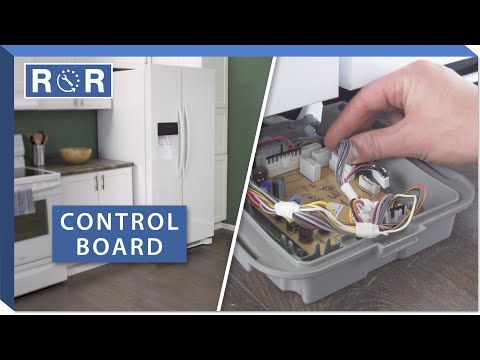
Refrigerator Main Control Board
The Brain of Your Fridge: Understanding Your Refrigerator Main Control Board
Your refrigerator is a marvel of modern convenience, keeping your food fresh and your drinks cold. But what makes it all happen? While compressors and thermostats play vital roles, the unsung hero orchestrating everything is often the refrigerator main control board. This crucial component acts as the "brain" of your appliance, dictating everything from cooling cycles to defrost operations. When it malfunctions, your entire fridge can go haywire, leading to spoiled food and major inconvenience.
What is a Refrigerator Main Control Board?
Also known as the main PCB (Printed Circuit Board) or motherboard, the main control board is an electronic circuit board that manages and regulates most of your refrigerator's functions. It receives signals from various sensors (temperature, door switches, etc.) and then sends commands to components like the compressor, condenser fan, evaporator fan, defrost heater, and dispenser. Essentially, it's the central hub that ensures all parts work together harmoniously to maintain the optimal environment inside your fridge and freezer.
Symptoms of a Failing Refrigerator Main Control Board
A faulty main control board can manifest in a variety of frustrating ways. Because it controls so many functions, symptoms can be diverse and sometimes mimic other component failures. Look out for:
- Inconsistent Cooling: Your fridge might be too warm, or your freezer might not be freezing properly, even if the thermostat is set correctly.
- No Cooling at All: The compressor might not be running, or fans might not be circulating air.
- Constant Running or Not Running at All: The compressor might run continuously, leading to excessive energy consumption, or it might not turn on at all.
- Defrost Cycle Issues: The fridge might not defrost, leading to ice buildup in the freezer or evaporator coils, or it might defrost too often.
- Erratic Behavior: Lights flickering, dispenser issues, or strange clicking noises could point to a control board problem.
- Error Codes: Many modern refrigerators display error codes on their digital display when a fault is detected, and sometimes these codes specifically indicate a control board issue.
Diagnosing a Faulty Refrigerator Main Control Board
Pinpointing a control board problem can be tricky, as symptoms often overlap with other component failures. Before jumping to conclusions, it's essential to perform some basic troubleshooting.
First, ensure the refrigerator is plugged in and receiving power. Check the circuit breaker. If the fridge has a display, look for any error codes. Often, a "hard reset" (unplugging the fridge for 5-10 minutes and then plugging it back in) can resolve minor glitches.
For more detailed visual inspection and troubleshooting tips, including how to identify burnt spots or bulging capacitors on the board, we highly recommend watching this informative video: Refrigerator Main Control Board Test/Diagnosis. The video provides excellent guidance on what to look for when inspecting the board and how to use a multimeter to test certain components, giving you a clearer picture of whether the board is indeed the culprit.
Remember, always disconnect power to your refrigerator before inspecting any internal components for safety.
Replacing a Refrigerator Main Control Board
If diagnosis confirms a faulty main control board, replacement is often the solution. While it might seem daunting, it's a repair many DIY enthusiasts can tackle with the right tools and precautions.
- Safety First: ALWAYS unplug your refrigerator before starting any repair. This cannot be stressed enough.
- Locate the Board: The main control board is typically located at the back of the refrigerator, often behind a panel near the compressor, or sometimes in the fresh food compartment ceiling or behind the kick plate. Consult your appliance's owner's manual or a service diagram for its exact location.
- Document Connections: Before disconnecting anything, take clear photos or videos of all wire connections. This will be invaluable when connecting the new board.
- Installation: Carefully disconnect the old board and install the new one, reconnecting all wires exactly as they were. Ensure all connections are secure.
If you're unsure at any point or uncomfortable working with electrical components, it's always best to call a qualified appliance repair technician. They have the expertise and specialized tools to perform the replacement safely and correctly.
Preventative Maintenance for Your Control Board
While control boards can fail without warning, a few practices can help prolong their life:
- Ensure Proper Ventilation: Keep the area around your refrigerator clean and clear, especially the condenser coils, to prevent overheating, which can stress electronic components.
- Protect from Power Surges: Consider using a surge protector for your refrigerator, especially if you live in an area prone to power fluctuations.
- Regular Cleaning: Periodically clean the condenser coils to ensure efficient operation and prevent the compressor from overworking, which can indirectly affect the control board.
- Avoid Overloading: Don't overload your refrigerator, as this can force it to work harder and put more strain on its electrical systems.
When to Call a Professional
While DIY repair can be satisfying and cost-effective, there are times when professional help is essential. If:
- You're uncomfortable working with electrical components.
- You can't definitively diagnose the problem.
- The repair seems too complex or requires specialized tools.
- Your refrigerator is still under warranty.
A certified appliance technician can accurately diagnose the issue, ensure the correct part is ordered, and perform the replacement safely, giving you peace of mind.
Conclusion
The refrigerator main control board is a complex and vital component that keeps your appliance running smoothly. Understanding its role, recognizing the symptoms of failure, and knowing when to troubleshoot or seek professional help can save you from unnecessary expense and prolonged food spoilage. By being proactive and informed, you can keep your fridge, and your groceries, in top condition.