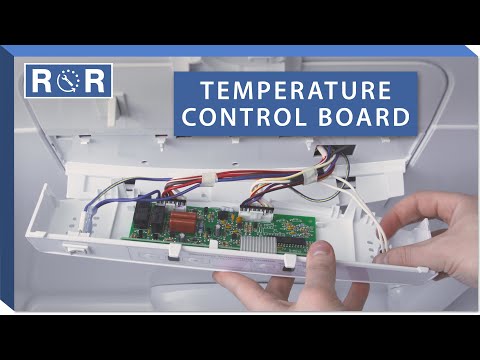
Refrigerator Temperature Control Board
Your refrigerator is the silent workhorse of your kitchen, diligently keeping your food fresh and safe. But what happens when it starts acting up? Often, the culprit behind inconsistent temperatures, a lack of cooling, or even strange noises can be an unsung hero: the refrigerator temperature control board.
At [Your Company Name], we understand the frustration of a malfunctioning fridge. That's why we're diving deep into the world of refrigerator temperature control boards – what they are, how to spot when they're failing, and how to get your appliance back on track.
What is a Refrigerator Temperature Control Board?
Think of your refrigerator's temperature control board as its brain. This sophisticated electronic circuit board is responsible for monitoring and regulating the cooling process. It receives signals from various sensors inside your fridge and freezer, such as thermistors that detect temperature.
Based on these readings and your desired temperature settings, the control board sends commands to critical components like the compressor (which cools the refrigerant), the evaporator fan (which circulates cold air), and the defrost heater (which prevents excessive ice buildup). Without a properly functioning control board, your refrigerator can't maintain optimal conditions, leading to spoiled food and wasted energy.
Signs of a Failing Refrigerator Temperature Control Board
Identifying a failing control board can be tricky, as its symptoms often mimic other component failures. However, several common indicators point towards an issue with this vital component:
- Inconsistent Temperatures: Your fridge is too warm, then too cold, or temperatures fluctuate wildly.
- Refrigerator Not Cooling At All: The compressor isn't running, or it cycles on and off erratically, leading to warm temperatures throughout.
- Excessive Frost Buildup: Particularly in the freezer, this can indicate a defrost system failure, often managed by the control board.
- Fridge Running Constantly: The compressor never seems to shut off, trying in vain to reach the set temperature.
- Lights or Display Issues: Your refrigerator's control panel or interior lights might not work correctly, or you might see error codes.
- Fan Malfunctions: The evaporator or condenser fans might not be running when they should, or they run at incorrect speeds.
Troubleshooting a Refrigerator Temperature Control Board
Before you jump to conclusions, it's essential to properly diagnose the issue. Always remember to unplug your refrigerator before attempting any inspection or repair!
A visual inspection can sometimes reveal obvious signs like burnt spots, swollen capacitors, or loose connections on the board. However, many failures are internal and not visible. You might need a multimeter to test for proper voltage at different points, but this requires electrical knowledge.
For a visual guide on diagnosing issues that might point to a control board problem, and to help differentiate it from other common refrigerator failures, we highly recommend watching this video: Refrigerator Not Cooling - Control Board vs Other Parts. It offers excellent insights into the diagnostic process, helping you narrow down the potential cause of your refrigerator's woes.
Replacing a Refrigerator Temperature Control Board
If you've confidently diagnosed your control board as the problem, replacing it can be a DIY-friendly repair for those comfortable with basic tools and electrical work. However, precision and safety are paramount.
The general steps involve:
- Unplugging the Refrigerator: Safety first!
- Accessing the Control Board: This usually involves removing a rear panel, a top cover, or an interior panel, depending on your model.
- Documenting Wiring: Take photos of all wire connections before disconnecting anything.
- Removing the Old Board: Carefully disconnect all wires and mounting screws.
- Installing the New Board: Mount the new board and reconnect all wires precisely as they were.
- Testing: Restore power and monitor your refrigerator's performance.
The referenced video (Refrigerator Not Cooling - Control Board vs Other Parts) also provides a fantastic step-by-step walkthrough of how to access and replace a refrigerator control board on certain models. While designs vary, the principles and safety precautions demonstrated are universally applicable. Always consult your appliance's service manual for specific instructions related to your model.
Why Professional Help (or Quality Parts) Matters
Misdiagnosing a refrigerator problem can lead to replacing expensive parts unnecessarily. If you're unsure about the diagnosis or uncomfortable with the repair process, don't hesitate to call a qualified appliance technician. Their expertise can save you time, money, and further damage to your appliance.
If you're tackling the repair yourself, ensure you purchase a high-quality, genuine replacement temperature control board for your specific refrigerator model. At [Your Company Name], we stock a wide selection of OEM (Original Equipment Manufacturer) and high-quality aftermarket parts, ensuring your repair lasts and your appliance performs optimally.
Conclusion
The refrigerator temperature control board is a small but mighty component, essential for keeping your food perfectly chilled. Understanding its role and recognizing the signs of failure can empower you to troubleshoot effectively and decide on the best course of action. Whether you choose to DIY with our premium parts or call in the pros, getting your fridge back to optimal performance is our priority.
Have questions or need help finding the right control board for your refrigerator? Visit our online store or contact our expert team today!