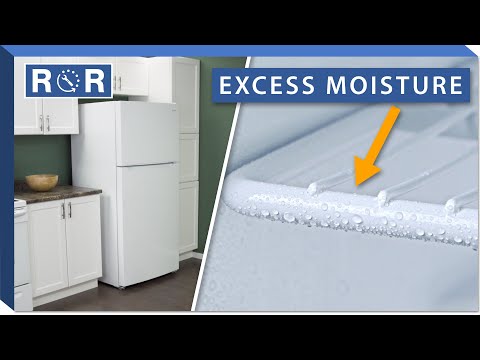
Too Much Moisture in Fridge? Top 5 Fixes
Is Your Refrigerator Sweating? Top 5 Fixes for Excessive Moisture
Do you open your refrigerator door only to be greeted by a damp chill, water puddles, or even visible condensation on the interior walls? Excessive moisture in your fridge isn't just an annoyance; it can lead to soggy produce, unpleasant odors, mold growth, and even premature food spoilage. While a little humidity is normal, consistent dampness signals a problem that needs addressing. The good news is, many common causes are simple to diagnose and fix yourself!
As an appliance repair company, we often see these issues. Here are our top 5 fixes to get your refrigerator back to its dry, efficient self.
1. Inspect and Clean Your Door Seals (Gaskets)
One of the most frequent culprits behind a damp fridge is a faulty or dirty door seal. The gasket around your refrigerator door is designed to create an airtight seal, keeping cold air in and warm, humid room air out. If this seal is compromised, warm air seeps in, condenses, and creates moisture.
How to Check:
- Visual Inspection: Look for any cracks, tears, or stiffness in the rubber gasket.
- Dollar Bill Test: Close the door on a dollar bill. If you can easily pull it out without resistance, the seal is weak at that spot. Repeat this around the entire door.
The Fix: Often, gaskets just need a good cleaning. Use warm, soapy water to wipe away any food debris, grime, or stickiness. If the gasket is damaged or severely worn, it will need to be replaced. This is a relatively straightforward DIY repair for most models, and replacement gaskets are readily available.
2. Clear the Defrost Drain Tube
Your refrigerator has a defrost cycle that melts any ice buildup on the evaporator coils. This melted water then drains down a tube, usually located at the back of the fridge compartment, into a drain pan where it evaporates. If this drain tube gets clogged with food particles, ice, or mold, the water has nowhere to go but back into your fridge, often pooling at the bottom or causing condensation.
How to Check: Look for standing water at the bottom of the refrigerator compartment, especially near the back wall.
The Fix: You'll need to clear the clog. For a visual guide on how to clear a refrigerator drain tube, especially for popular brands like Whirlpool, Kenmore, Amana, Estate, Roper, and Maytag, we highly recommend watching this helpful video: How to Clear a Refrigerator Drain Tube. Typically, you can use a turkey baster with warm water to flush the tube, or a thin wire or pipe cleaner to dislodge any blockages. Be gentle to avoid damaging the tube.
3. Optimize Food Storage and Loading Habits
Believe it or not, how you store your food can significantly impact your fridge's humidity levels. Uncovered liquids, fresh produce (which naturally releases moisture), and even hot leftovers placed directly into the fridge can introduce a lot of moisture into the sealed environment.
The Fix:
- Cover Everything: Always store food, especially liquids, in airtight containers.
- Cool Before Storing: Let hot or warm food cool down to room temperature before placing it in the refrigerator.
- Don't Overpack: An overstuffed fridge can block air vents, leading to inconsistent temperatures and condensation. Ensure proper airflow.
- Wipe Down Produce: If produce is visibly wet, pat it dry before storing.
4. Check and Adjust Temperature Settings
An incorrect temperature setting can also contribute to excessive moisture. If your refrigerator is set too warm, the compressor might not run long enough to adequately dehumidify the air, leading to condensation. If it's too cold, it can cause other issues, but generally, a warmer setting is more likely to cause dampness.
The Fix:
- Ideal Range: The optimal temperature for a refrigerator is typically between 35°F and 38°F (1.7°C and 3.3°C).
- Use a Thermometer: Don't rely solely on the dial. Place an appliance thermometer in your fridge for 24 hours to get an accurate reading.
- Adjust Gradually: Make small adjustments to the temperature dial and monitor for a day or two before making further changes.
5. Inspect the Damper Control
The damper controls the flow of cold air from the freezer compartment into the fresh food compartment. If the damper is stuck open or malfunctioning, too much cold, dry air can rush into the fridge, creating temperature imbalances that, paradoxically, can lead to condensation as warmer, humid air interacts with overly cold surfaces. Conversely, if it's not opening enough, the fridge can become too warm, also leading to moisture.
How to Check: This is a more advanced diagnostic, but you can visually inspect the damper, usually located near the top or back inside the refrigerator section, for any obvious blockages or damage. If your fridge compartment is consistently too cold or too warm despite proper temperature settings, the damper might be an issue.
The Fix: If you suspect a faulty damper, it might require professional assistance to diagnose and replace. However, sometimes a simple obstruction is preventing it from closing or opening properly.
Keep Your Fridge Dry and Your Food Fresh!
Addressing excessive moisture in your refrigerator is crucial for food safety and the longevity of your appliance. By systematically checking these five common areas, you can likely resolve the issue yourself. If you've tried these fixes and your fridge is still sweating, it might be time to call in the experts. Our team is always ready to help diagnose and repair more complex refrigerator problems.