Refrigerator Door Handle
Don't Let a Wobbly Handle Ruin Your Day: A Guide to Refrigerator Door Handle Repair
Your refrigerator door handle might seem like a small detail, but it's crucial for daily convenience and maintaining your appliance's integrity. A loose, cracked, or broken handle isn't just an annoyance; it can make opening your fridge a chore, potentially damage the door seal, and even pose a safety risk. Fortunately, many common refrigerator handle issues are surprisingly easy to fix, often without needing a professional.
Why Do Refrigerator Handles Break or Come Loose?
Refrigerator handles endure a lot of stress. Think about how many times a day your family pulls on that handle! Over time, several factors can contribute to their wear and tear:
- Frequent Use: Constant pulling and pushing can loosen screws or stress the plastic/metal components.
- Over-tightening: Paradoxically, over-tightening mounting screws can strip threads or crack plastic handle bases.
- Impact/Accidental Damage: Bumping into the handle with groceries or other objects can cause cracks or breaks.
- Material Fatigue: Plastics can become brittle over years, especially in fluctuating temperatures.
- Design Flaws: Some models might have handles that are inherently less robust than others, leading to premature failure.
Common Refrigerator Handle Problems and Their Solutions
Identifying the specific problem is the first step to a successful refrigerator door handle repair:
Loose Handle:
This is perhaps the most common issue. Often, the screws that secure the handle to the door simply need to be tightened. You might find these screws hidden under decorative caps, or directly visible on the handle itself. Be careful not to overtighten them, especially if the handle is plastic, as this can strip the threads or crack the material.
Detached Handle:
If the handle has completely come off, it's likely that the mounting brackets or screws have failed. You'll need to re-secure it. Sometimes, a small plastic sleeve or bushing might be missing or broken, preventing the handle from seating correctly. This often requires replacing the damaged component or the entire handle.
Cracked or Broken Handle:
A handle with visible cracks or a complete break usually requires replacement. While some might attempt to glue it, this is rarely a long-term solution, especially given the stress handles endure daily. A new handle ensures durability and proper function.
Cosmetic Damage:
Scratches or dents might not affect function, but they can detract from your kitchen's appearance. If aesthetics are important, replacement is the best option to restore your appliance's look.
DIY Repair or Professional Help?
Many refrigerator door handle repairs are well within the capabilities of the average homeowner. Tightening a loose handle or replacing a broken one often only requires a screwdriver and a few minutes of your time.
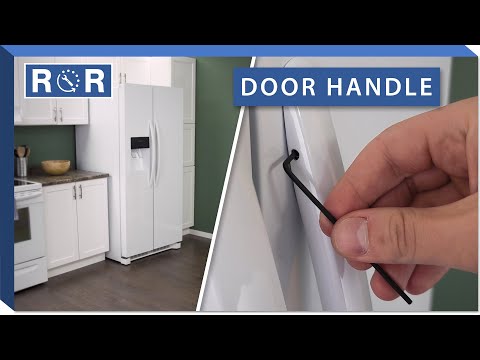
For a great visual guide on how to tackle these common issues, we highly recommend watching this helpful video: How to Fix a Loose or Broken Refrigerator Door Handle. It walks you through identifying the problem and demonstrates the steps for tightening a loose handle or replacing a completely broken one, showing you just how straightforward the process can be.
However, if you're uncomfortable working with tools, can't find the right replacement part, or suspect there's a more complex issue (like damage to the door itself), don't hesitate to call a professional appliance repair technician. They can quickly diagnose the problem, source the correct part, and ensure a secure repair, saving you time and potential frustration.
Finding the Right Replacement Refrigerator Handle
If your handle is beyond tightening, getting the correct replacement part is crucial. Here's what you'll need when searching for refrigerator handle parts:
- Appliance Model Number: This is the most important piece of information. It's usually found on a sticker inside the refrigerator compartment (often on a side wall, near the top, or behind a crisper drawer) or on the back of the appliance.
- Part Number (if available): Sometimes the handle itself might have a part number, but relying on the appliance model number is more reliable.
- Color and Finish: Ensure the new handle matches your refrigerator's aesthetic, whether it's stainless steel, white, black, or another finish.
Using your model number, you can easily search for the exact OEM (Original Equipment Manufacturer) or a compatible aftermarket replacement handle through appliance parts suppliers. OEM parts guarantee a perfect fit and match, while aftermarket options can sometimes be a more budget-friendly choice for your refrigerator handle replacement.
Maintaining Your Refrigerator Handle for Longevity
A little care can go a long way in extending the life of your refrigerator handle:
- Gentle Use: Avoid yanking or slamming the door. A steady, firm pull is all that's needed to open your refrigerator.
- Periodic Checks: Every few months, give your handle a gentle wiggle. If you feel any looseness, tighten the screws before it becomes a bigger problem that might require a full refrigerator handle repair.
- Clean Regularly: Wipe down the handle with a mild cleaner to prevent grime buildup, which can sometimes interfere with moving parts or hide developing issues.
Don't Let a Small Problem Become a Big Headache
A functional refrigerator door handle is vital for the smooth operation and appearance of your kitchen. Whether it's a simple tightening job or a full replacement, addressing the issue promptly can save you further frustration and potential damage to your appliance. If you need assistance finding the right part or require professional refrigerator repair services, our team is ready to help you get your appliance back in perfect working order.