How to Adjust the Level in a Refrigerator
Is Your Refrigerator Wobbly? Here's How to Level It for Optimal Performance
A refrigerator is one of the hardest working appliances in your home, and like any machine, it performs best when properly set up. While it might seem like a minor detail, ensuring your refrigerator is perfectly level can significantly impact its efficiency, longevity, and even how well it keeps your food fresh. A wobbly or unlevel fridge can lead to doors that don't seal properly, increased energy consumption, strange noises, and even problems with the internal drainage system.
Fortunately, adjusting your refrigerator's level is a straightforward DIY task that requires just a few basic tools and a little bit of patience. Let's walk through the process to get your fridge standing firm and functioning flawlessly.
Why Leveling Your Refrigerator Matters
You might be wondering why a tiny tilt makes such a big difference. Here’s why proper refrigerator leveling is crucial for your appliance's health and your household's budget:
- Improved Door Sealing: An unlevel fridge can prevent the doors from closing tightly, allowing cold air to escape. This forces your refrigerator to work harder, consuming more energy and potentially spoiling food faster.
- Reduced Noise: A wobbly refrigerator can vibrate more, leading to annoying humming or rattling sounds. Leveling it can significantly quiet things down.
- Efficient Cooling: When the doors seal correctly, your fridge maintains a consistent internal temperature, leading to more efficient cooling and better food preservation.
- Proper Drainage: Most refrigerators have a slight backward tilt to help condensation drain correctly into the evaporation pan. An improper level can interfere with this system, potentially leading to leaks or ice buildup.
- Appliance Longevity: Less stress on the compressor and other components from consistent operation can extend the overall lifespan of your refrigerator.
Tools You'll Need
Before you begin, gather these simple tools:
- Spirit Level: A standard carpenter's level (at least 12-18 inches long) is essential.
- Adjustable Wrench or Pliers: For turning the leveling legs.
- Flat-head Screwdriver: Some models use a screwdriver for adjustments.
- Flashlight: To help you see under the fridge.
- A Helper (Optional but Recommended): Especially if you need to move the refrigerator to access the back.
Step-by-Step Guide to Leveling Your Refrigerator
Follow these steps to ensure your refrigerator is perfectly balanced:
1. Prepare Your Refrigerator
Safety first! Always unplug your refrigerator from the wall outlet before attempting any adjustments. It's also a good idea to remove any heavy items from the top shelves to prevent them from shifting or falling, and if possible, slightly empty the fridge to make it easier to move. If you need to pull the fridge out from the wall, do so carefully to avoid damaging the floor or the wall behind it.
2. Locate the Leveling Legs and Rollers
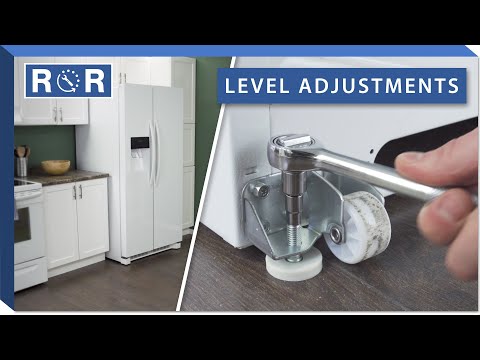
Most refrigerators have two adjustable leveling legs or feet at the front corners, and sometimes rollers at the back. These legs are typically threaded bolts that can be raised or lowered. In some models, the legs are hidden behind a kick plate or grille at the bottom front. For a clear visual guide on locating these components, you might find this video helpful: How To Level Your Refrigerator - Refrigerator Repair Help.
3. Check the Current Level
Place your spirit level on the very top of your refrigerator. Check it both from side-to-side and from front-to-back. The bubble should be perfectly centered in the middle of the two lines on the level. If it's not, you'll need to make adjustments.
Many refrigerators are designed to have a slight tilt backward (about 1/4 inch higher at the front than the back). This helps the doors swing shut on their own and ensures proper drainage. So, while you want it level side-to-side, a slight backward tilt from front-to-back is often desirable.
4. Adjust the Leveling Legs
Now it's time to make the adjustments. This is where your wrench or pliers come in handy. As demonstrated in the referenced video, you'll generally:
- To Raise a Corner: Turn the leveling leg clockwise (tighten it).
- To Lower a Corner: Turn the leveling leg counter-clockwise (loosen it).
Work slowly and make small adjustments. After each turn, re-check the level on top of the refrigerator. If you're aiming for that slight backward tilt, measure the height from the floor to the top front and top back of the fridge. The front should be slightly higher.
5. Verify Stability and Door Closure
Once you've achieved the desired level, gently push on the corners of the refrigerator to ensure it doesn't wobble. Then, open both doors about halfway and release them. They should swing shut on their own with a gentle push, sealing firmly. If they don't, you might need to slightly raise the front legs a bit more to increase that backward tilt.
6. Final Steps
Once you're satisfied with the level and stability, plug your refrigerator back into the outlet. If you removed the kick plate, reattach it. Congratulations, your refrigerator is now properly leveled!
Troubleshooting Common Issues
- Still Wobbly? Double-check that the back rollers aren't interfering with the stability. If your floor is uneven, you might need to use shims under the rear rollers or the non-adjustable feet to create a stable base before fine-tuning with the front legs.
- Door Not Closing Properly? Ensure you have that slight backward tilt. If the fridge is leaning forward, the doors will struggle to close.
When to Call a Professional
While leveling is a simple task, there are times when it's best to call in the experts. If you find that the leveling legs are stripped, broken, or you're dealing with persistent leaks or cooling issues even after leveling, it might indicate a more significant problem. A qualified appliance repair technician can diagnose and fix these more complex issues, ensuring your refrigerator runs smoothly and efficiently.
Keep Your Appliances Running Smoothly
Maintaining your appliances, even with simple tasks like leveling, can save you money on energy bills and extend their lifespan. If you ever find yourself needing replacement parts for your refrigerator or any other appliance, remember to check out our extensive selection of genuine parts to keep everything in top working order!