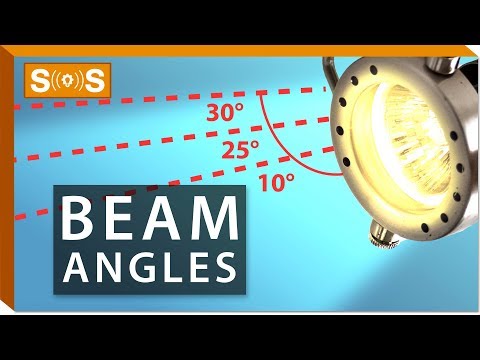
Recessed & Track Lighting - Beam Angles
Shedding Light on the Subject: A Guide to Recessed & Track Lighting Beam Angles
When designing or updating a home, lighting is often one of the most overlooked elements. Many homeowners focus solely on the style of the fixture or the brightness of the bulb. However, the way light is distributed throughout a room plays a massive role in both functionality and ambiance. If you are installing recessed or track lighting, understanding beam angles is the secret to achieving a professional, high-end look.
Whether you want to highlight a beautiful piece of artwork, illuminate a kitchen countertop for meal prep, or wash a living room wall in a warm glow, choosing the correct beam angle is essential. Let’s dive into what beam angles are, how they work, and how to choose the right ones for your space.
What is a Beam Angle?
Simply put, a beam angle (also known as beam spread) is the measurement of how light is distributed from a light source. Measured in degrees, it tells you how wide or narrow the cone of light will be when it leaves the bulb or fixture.
A narrow beam angle concentrates the light into a tight, intense beam, while a wide beam angle spreads the light out over a larger area, reducing its intensity. Understanding this concept allows you to control exactly where the light goes, preventing dark corners or blinding glares.
The Spectrum of Beam Angles: From Spot to Flood
Light bulbs and integrated LED fixtures come in a variety of beam angles. They are generally categorized into four main groups:
- Spot (10° to 20°): This is a very narrow, highly concentrated beam of light. It is ideal for high-ceiling applications or when you want to pinpoint a specific, small object, like a sculpture or a narrow architectural feature.
- Narrow Flood (25° to 35°): Offering a slightly wider spread, narrow floods are excellent for accent lighting. They can be used to highlight larger pieces of art, fireplaces, or to provide targeted task lighting over a desk or reading chair.
- Flood (36° to 45°): This is the standard beam angle for most residential recessed lighting. It provides a good balance of coverage and intensity, making it perfect for general ambient lighting in living rooms, bedrooms, and hallways.
- Wide Flood (50° to 120°): Wide floods disperse light across a massive area. They are best used in rooms with lower ceilings where you want to prevent hot spots (harsh circles of light on the floor) and ensure even, soft illumination.
How to Choose the Right Beam Angle for Your Space
To design an effective lighting plan, you must match the beam angle to the purpose of the light. Lighting designers typically divide home lighting into three layers:
1. Ambient Lighting (General Lighting)
For general illumination, you want a seamless blanket of light across the room. Using wider beam angles (40° to 60°) ensures that the light overlaps nicely, eliminating shadows and dark spots. Standard floodlights are the go-to choice for general recessed lighting in kitchens, family rooms, and hallways.
2. Task Lighting
Task lighting requires focused light where activities take place, such as over kitchen islands, bathroom vanities, or workbenches. For these areas, a moderate beam angle (around 30° to 35°) directs the light precisely where you need it without scattering it uselessly into your eyes or across the rest of the room.
3. Accent Lighting
If you want to create drama, depth, and visual interest, accent lighting is your best friend. Use track lighting with narrow spot or narrow flood beam angles (15° to 25°) to draw attention to artwork, family photos, architectural columns, or textured walls.
The Impact of Ceiling Height
One of the most common mistakes DIYers make is ignoring ceiling height when choosing beam angles. The distance between the light fixture and the floor (or work surface) drastically changes how the beam behaves.
If you have high ceilings (10 feet or taller), a standard wide floodlight will disperse too much before it reaches the floor, leaving the room feeling dim and under-lit. For high ceilings, you need narrower beam angles (25° to 35°) to project the light effectively down to the living space. Conversely, if you have low ceilings (8 feet or less), a wide beam angle (50° or more) is necessary to allow the light to spread out quickly and blend together.
Visualizing Beam Angles in Action
It can sometimes be difficult to picture how these angles look in a real-world setting. To see a live demonstration of how different degrees change the look and feel of a room, we highly recommend watching this helpful video guide on Recessed & Track Lighting Beam Angles. Seeing the side-by-side comparison makes it much easier to plan your own layout.
Maintaining and Upgrading Your Lighting Fixtures
Once you have selected the perfect beam angles, keeping your fixtures in top shape is key to maintaining your home's aesthetic. Over time, dust can accumulate on track heads and recessed trim, dulling the light output. Additionally, older incandescent or halogen recessed cans can be easily upgraded to modern LED retrofits. LED retrofits are highly energy-efficient, generate very little heat, and often allow you to adjust the color temperature and beam angle with simple built-in switches.
Whether you need replacement parts for your track lighting tracks, new trim rings for your recessed cans, or advice on upgrading your home's electrical fixtures, choosing high-quality components ensures your lighting system remains safe and beautiful for years to come.