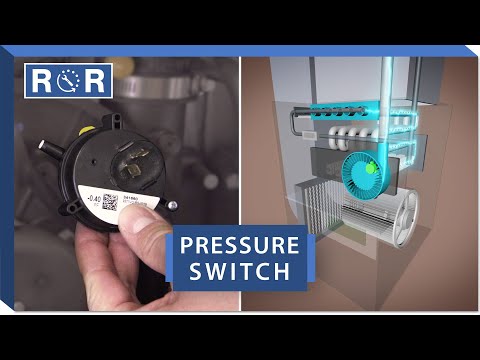
Furnace - Pressure Switch
Demystifying the Furnace Pressure Switch: Troubleshooting, Symptoms, and Repairs
When the winter chill sets in, you rely on your furnace to keep your home warm and safe. But what happens when you hear your furnace start up, the fan begins to spin, but no warm air follows? Before you panic and assume you need a brand-new heating system, the culprit might be a small, inexpensive, yet incredibly important safety component: the furnace pressure switch.
As a homeowner or DIY enthusiast, understanding how this safety switch works can save you hundreds of dollars in unnecessary service calls. In this guide, we will break down what a furnace pressure switch does, how to recognize the signs of failure, and how to troubleshoot and replace it safely.
What is a Furnace Pressure Switch?
The furnace pressure switch is a safety device designed to protect your home from dangerous combustion gases, such as carbon monoxide. Modern furnaces use a draft inducer motor (a small fan) to pull air into the burner chamber and force toxic combustion byproducts out through your home’s venting or chimney system.
The pressure switch monitors this process. It senses the negative pressure (vacuum) created by the draft inducer motor. If the inducer motor is working correctly and the exhaust flue is clear, the pressure switch closes, allowing the furnace to proceed with the ignition sequence. If there is a draft issue, the switch remains open, shutting down the furnace to prevent harmful gases from backing up into your living spaces.
How the Ignition Sequence Works
To understand why the pressure switch is so critical, it helps to look at the order of operations when your thermostat calls for heat:
- The thermostat calls for heat and sends a signal to the furnace control board.
- The draft inducer motor turns on to clear the heat exchanger of any residual gases.
- The inducer motor creates a vacuum, which pulls on a rubber diaphragm inside the pressure switch.
- The pressure switch closes, completing an electrical circuit.
- The control board receives this signal and activates the hot surface igniter or spark igniter.
- The gas valve opens, the burners light, and the main blower fan turns on to distribute warm air throughout your home.
If the pressure switch fails to close at step four, the sequence stops completely. Your furnace will blow cold air, or it will simply shut down and lock itself out.
Common Symptoms of a Faulty Pressure Switch
When a pressure switch fails or detects a system error, your furnace will usually let you know. Keep an eye out for these common warning signs:
- The inducer motor runs, but the igniter doesn't glow: If you hear the small exhaust fan running but the furnace never actually lights or heats up, the pressure switch may not be closing.
- Diagnostic LED error codes: Most modern furnaces have a clear plastic window on the lower blower door. Through this window, you can see a flashing LED light on the control board. The flashes correspond to specific error codes listed on the back of the furnace door. A common code is "Pressure Switch Stuck Open" or "Pressure Switch Stuck Closed."
- The furnace cycles off quickly: If the pressure switch loses its connection momentarily during operation, it will immediately shut down the gas valve as a safety precaution.
Step-by-Step Troubleshooting and Testing
If you suspect your pressure switch is acting up, you can perform a few simple diagnostic steps before buying a replacement part. For a detailed, visual step-by-step demonstration on how to safely diagnose and test this component, we highly recommend watching this Furnace Pressure Switch Repair Video.
1. Check the Pressure Switch Hoses
First, turn off the power to your furnace at the breaker or the nearby service switch. Locate the pressure switch (it is usually a round, metal or plastic disc with one or two rubber hoses attached to it). Inspect the rubber tubing for any cracks, dry rot, or holes. If the hose is damaged, it won't hold the vacuum necessary to close the switch. Also, pull the hose off and check for any moisture or condensation trapped inside, which can block the airflow.
2. Inspect the Port on the Inducer Housing
The rubber hose connects the pressure switch to a small plastic or metal port on the draft inducer motor housing. Over time, carbon buildup, rust, or debris can clog this tiny port. Disconnect the hose and gently insert a paperclip or a small drill bit into the port to clear out any blockages.
3. Test for Electrical Continuity
Using a digital multimeter set to the Ohms (Ω) or continuity setting, you can test the physical switch. With the furnace power off, disconnect the two wires attached to the pressure switch terminals.
Touch your multimeter leads to the terminals. With the furnace off, the meter should read "OL" (Open Line or infinite resistance), meaning the switch is normally open. Next, turn the furnace on and wait for the draft inducer motor to reach full speed. Touch the leads to the terminals again. If the switch is functioning properly, the meter should now show continuity (close to 0 Ohms). If it remains open while the inducer is running, the switch is likely defective or the vacuum pull is insufficient.
It's Not Always the Switch: Other Causes of Pressure Switch Errors
It is important to note that the pressure switch is designed to fail when there is a safety hazard. Often, a pressure switch error code doesn't mean the switch itself is broken; rather, it means the switch is doing its job and detecting an underlying issue. Other causes of a pressure switch lockout include:
- A Blocked Flue or Chimney: If a bird’s nest, leaves, or snow blocks your exhaust vent outside, the inducer motor cannot vent properly, preventing the vacuum from forming.
- A Failing Inducer Motor: If the inducer motor bearings are worn out, the motor may spin too slowly to create enough negative pressure to close the switch.
- Clogged Condensate Drains: High-efficiency (90%+ AFUE) furnaces produce water condensation. If the condensate drain lines are clogged, water can back up into the inducer housing and block the pressure switch port.
How to Replace a Furnace Pressure Switch
If you have tested the switch and confirmed that it is indeed faulty, replacing it is a straightforward DIY task. Always ensure you purchase an OEM (Original Equipment Manufacturer) replacement part that matches your furnace's brand, model number, and the specific pressure rating (measured in inches of water column, e.g., -0.50" W.C.) listed on the old switch's label.
- Turn off the electrical power and the gas supply to the furnace.
- Take a quick photo of the wiring and hose connections for reference.
- Carefully pull the wires off the spade terminals of the old switch.
- Disconnect the rubber vacuum tubing from the switch port.
- Unscrew the mounting bracket holding the switch to the furnace cabinet.
- Mount the new pressure switch in place.
- Reconnect the vacuum hose and slide the electrical wires back onto the correct terminals.
- Restore power to your furnace and test its operation to ensure the unit ignites smoothly.
By understanding how the furnace pressure switch works and knowing how to troubleshoot it, you can confidently address heating issues this winter. Whether it's a simple matter of clearing a clogged hose or replacing a worn-out switch, you have the knowledge to get your heat back up and running safely!