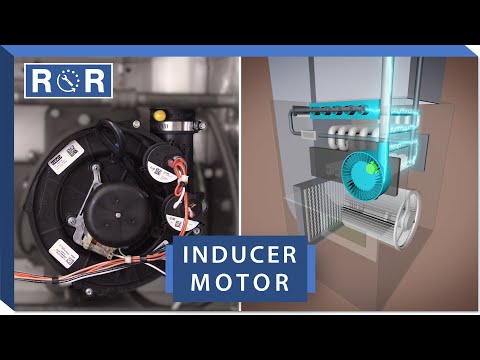
Furnace - Draft Inducer Motor
Understanding and Troubleshooting Your Furnace Draft Inducer Motor
When the chilly winter months roll around, your home’s furnace becomes the most important appliance in the house. You rely on it to keep your family warm and comfortable. However, furnaces are complex systems with many moving parts working in perfect harmony. One of the most critical, yet often overlooked, components in this system is the draft inducer motor.
If your furnace is making strange noises, failing to ignite, or shutting down shortly after starting, a failing draft inducer motor could be the culprit. In this article, we will explore what this motor does, how to identify signs of failure, and how to troubleshoot or replace it to get your heating system back up and running safely.
What is a Draft Inducer Motor and How Does It Work?
The draft inducer motor (often called the inducer fan or exhaust blower) is a small motorized fan located inside your furnace's burner compartment. It plays a dual role in both the safety and efficiency of your heating system.
When your thermostat calls for heat, the draft inducer motor is the very first component to turn on. Its primary job is to clear the heat exchanger of any leftover combustion gases from the previous cycle. This process is called "pre-purging." Once the chamber is clear, the fan continues to run, creating a constant draft that pulls fresh air into the burners for clean combustion and safely pushes toxic exhaust gases—including dangerous carbon monoxide—out through your home's chimney or vent pipe.
Because safety is paramount, the furnace will not light unless the draft inducer motor is running at the correct speed and creating enough air pressure. A safety device called a pressure switch monitors this airflow. If the inducer motor fails or runs too slowly, the pressure switch remains open, and the furnace's control board will prevent ignition.
Common Signs of a Failing Draft Inducer Motor
Like any mechanical part with moving components and bearings, draft inducer motors wear out over time. Here are the most common warning signs that your inducer motor is on its last legs:
1. Loud or Unusual Noises: This is usually the first indicator. If you hear a loud screeching, squealing, rattling, or humming sound right when your furnace tries to start up, the bearings inside the motor are likely failing, or the fan wheel itself is damaged or dirty.
2. The Furnace Won't Ignite: If you hear the thermostat click and the furnace attempts to start, but no heat is produced, the inducer motor may not be spinning. If the motor can't close the pressure switch, the ignition sequence will abort, often resulting in a flashing error code on your furnace’s control board.
3. The Furnace Shuts Off Quickly: If the motor starts but cannot maintain the proper speed, the pressure switch may drop out mid-cycle, causing the furnace to shut down prematurely for safety reasons.
How to Diagnose a Bad Inducer Motor
Before buying a replacement part, you want to make sure the inducer motor is truly the source of the problem. You can perform a few basic troubleshooting steps to diagnose the issue:
First, turn off the power to your furnace. Remove the access panels and visually inspect the inducer assembly. Look for signs of rust, soot, or cracks in the plastic housing. Spin the fan blade manually (if accessible) to see if it rotates freely. If it is seized or feels very stiff, the motor is bad.
Next, restore power and set the thermostat to call for heat. Watch and listen to the inducer motor. If you hear a low hum but the fan doesn't spin, the motor is getting electrical power but is mechanically seized or has a bad capacitor. If nothing happens at all, a technician can use a multimeter to check if the motor is receiving the correct voltage from the control board. If voltage is present but the motor refuses to run, the motor must be replaced.
For a detailed, step-by-step visual guide on how to safely diagnose and replace a faulty motor, watch this helpful Furnace Draft Inducer Motor Repair Video.
Step-by-Step Draft Inducer Motor Replacement
If you have determined that your draft inducer motor is faulty, replacing it is a highly manageable DIY project for homeowners with basic tools. Here is a general overview of the replacement process:
Step 1: Safety First. Turn off the electrical power to your furnace at the breaker panel or the local switch on the side of the unit. Additionally, shut off the gas supply line leading to the furnace.
Step 2: Access the Motor. Remove the furnace door panels to locate the draft inducer assembly. It is usually a circular metal or plastic housing with a small motor attached, connected to the exhaust venting pipe.
Step 3: Disconnect Wires and Hoses. Carefully unplug the wiring harness connecting the motor to the furnace control board. Take note of (or photograph) where any pressure switch hoses connect to the inducer housing, then gently pull them off.
Step 4: Remove the Old Assembly. Loosen the clamp holding the exhaust vent pipe to the inducer outlet, and slide the pipe off. Next, remove the mounting screws securing the inducer housing to the collector box. Carefully pull the entire assembly away from the furnace.
Step 5: Clean the Surface and Install the New Gasket. Clean any old gasket material or debris off the furnace mounting surface. A proper seal is critical to prevent dangerous exhaust leaks. Install the new fiberglass or foam gasket that came with your replacement motor.
Step 6: Mount the New Motor. Position the new draft inducer assembly in place and secure it with the mounting screws. Reattach the exhaust vent pipe and tighten the clamp.
Step 7: Reconnect Hoses and Wiring. Plug the wiring harness back into the control board and reattach any pressure switch hoses to their correct ports.
Step 8: Test Your Work. Replace the furnace access doors, turn the gas and electrical power back on, and set your thermostat to call for heat. Observe the furnace through a full cycle to ensure the new motor runs quietly and the burners ignite successfully.
Keep Your Home Warm and Safe
A properly functioning draft inducer motor is essential for keeping your home warm and protecting your family from the hazards of combustion gases. If you suspect your inducer motor is failing, do not ignore the warning signs. Addressing the issue early can prevent a complete heating system breakdown during the coldest days of winter.
Whether you choose to tackle the repair yourself or hire a professional, always ensure you source high-quality, OEM-matching replacement parts designed specifically for your furnace model to guarantee safe and efficient operation.