Oven Won't Bake Evenly - Troubleshooting
Is Your Oven Baking Unevenly? Here's How to Troubleshoot!
Few things are more frustrating in the kitchen than pulling out a beautiful cake or a pan of roasted vegetables, only to find one side perfectly golden and the other barely cooked. An oven that won't bake evenly can ruin meals and your culinary confidence. But before you call for a costly repair, many common culprits behind uneven baking can be diagnosed and even fixed with a bit of troubleshooting. Let's dive in!
Start with the Basics: Easy Checks First
Sometimes, the solution is simpler than you think. Before assuming a major appliance breakdown, run through these quick checks:
1. Proper Rack Placement
Where you place your food in the oven makes a huge difference. Heat rises, so the top rack is often hotter than the bottom. Always use the middle rack for most baking unless a recipe specifies otherwise. If you're baking multiple items, ensure there's enough space for air to circulate around them.
2. Bakeware Matters
Dark metal pans absorb more heat and can cause faster browning than light-colored or glass bakeware. Also, older, warped pans can prevent even heat distribution. Ensure your pans are in good condition and suited for the recipe.
3. Don't Overcrowd Your Oven
Resist the urge to cram too many dishes into your oven at once. Overcrowding blocks airflow, leading to hot and cold spots. If you need to bake multiple items, consider rotating them halfway through or baking in batches.
4. Preheat Thoroughly
Always give your oven ample time to preheat completely – often 15-20 minutes after it signals it's reached the set temperature. This allows the internal elements and walls to fully heat up, creating a stable cooking environment.
When Your Oven Needs a Closer Look: Common Part Failures
If the basics aren't the issue, it's time to investigate potential component failures. These are often the root cause of persistent uneven baking.
1. Faulty Temperature Sensor/Probe
This is one of the most common reasons for uneven baking or inaccurate temperatures. The temperature sensor (or probe) tells the oven's control board how hot it is inside. If it's faulty, it might send incorrect readings, causing the oven to over- or under-heat. You can usually find it protruding from the back wall of the oven cavity. It should not be touching the wall.
Troubleshooting Tip: You can often test the resistance of the sensor with a multimeter (after disconnecting power!). A visual inspection might also reveal a damaged or detached sensor. For a detailed guide on how to check and replace this component, we highly recommend watching this helpful video: Oven Temperature Sensor Replacement Guide. It walks you through the process step-by-step!
2. Failing Bake Element (Electric Ovens)
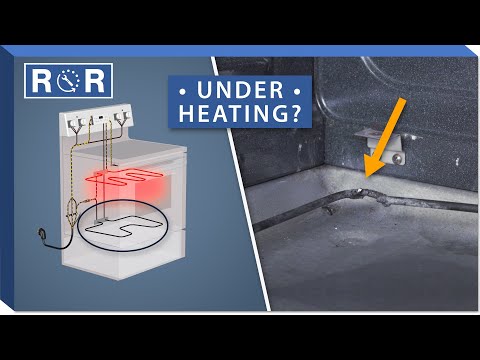
In electric ovens, the bake element (located at the bottom) is responsible for providing most of the heat. If it's partially burned out or cycling incorrectly, you'll notice uneven heating, often with the bottom of your food being undercooked. Look for visible signs of damage, like blistering, cracks, or areas that aren't glowing red when the oven is on.
3. Weak or Faulty Igniter (Gas Ovens)
For gas ovens, the igniter is crucial. It draws current to get hot enough to ignite the gas flowing from the burner. If the igniter is weak or failing, it might not open the gas valve completely or quickly enough, leading to insufficient or inconsistent heat. You might observe the burner struggling to ignite or only partially igniting.
4. Damaged Door Seal/Gasket
The rubber or silicone gasket around your oven door creates a tight seal, keeping heat inside. If this seal is torn, brittle, or loose, heat can escape, leading to cooler spots near the door and longer cooking times. Check the gasket for any visible damage or gaps.
5. Malfunctioning Convection Fan (Convection Ovens)
If you have a convection oven, a fan circulates hot air for more even cooking. If this fan isn't working properly – perhaps it's noisy, not spinning, or spinning inconsistently – your convection feature won't function, leading to uneven baking. Listen for the fan and check if it's rotating when the convection mode is engaged.
6. Faulty Control Board
While less common for just uneven baking (it usually comes with other issues), a malfunctioning control board can send incorrect signals to the heating elements or temperature sensor. This is typically a last-resort diagnosis and often requires professional help.
When to Call the Appliance Repair Experts
While many of these issues can be tackled by a confident DIYer, some repairs are best left to certified professionals. If you're uncomfortable working with electrical components or gas lines, or if you've gone through all these steps and still can't pinpoint the problem, it's time to call in the experts. They have the specialized tools and knowledge to diagnose complex issues safely and effectively.
Don't Let Uneven Baking Get You Down!
An oven that bakes unevenly is certainly a nuisance, but it's often a fixable one. By systematically troubleshooting the common culprits, from basic usage habits to specific appliance components, you can often restore your oven to its perfectly balanced baking glory. Happy cooking!