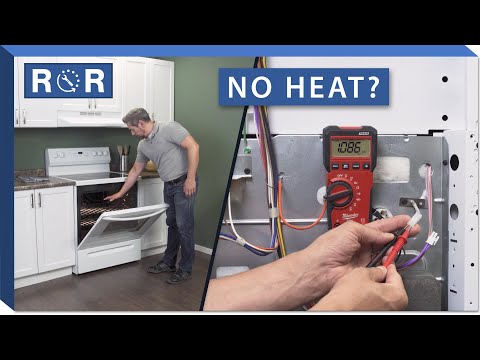
Oven Not Heating - Troubleshooting
Oven Not Heating? Your Go-To Troubleshooting Guide
There's nothing quite as frustrating as preheating your oven for a delicious meal, only to find it's staying stubbornly cold. A non-heating oven can throw a wrench into your dinner plans and leave you wondering what went wrong. Before you call for a professional, many common issues can be diagnosed and sometimes even fixed with a little DIY troubleshooting. Let's dive in!
Safety First: Before You Begin
Appliance repair involves electricity and potentially gas, so safety is paramount. Always, always, always:
- Unplug your oven or turn off the circuit breaker supplying power to it before inspecting or touching any internal components.
- If you smell gas, do not attempt to troubleshoot. Immediately open windows, evacuate the area, and call your gas company or emergency services.
- Wear appropriate safety gear, such as gloves, if needed.
1. Is It Getting Power? The Basics
Sometimes the simplest explanation is the right one. Before delving into internal parts, check these:
- Circuit Breaker: Head to your home's electrical panel. Has the breaker for your oven tripped? It will usually be in an "off" or middle position. Flip it completely off, then back on.
- Power Cord: Ensure the oven's power cord is fully plugged into the wall outlet.
- Time/Settings: Double-check that the oven isn't accidentally set to a delay start, Sabbath mode, or another special function that would prevent heating. Make sure the clock is set correctly, as some ovens require this to operate.
2. Electric Oven Not Heating: Common Culprits
If your electric oven isn't heating, the problem often lies with one of its heating elements or sensors.
The Bake Element
This is the most common reason an electric oven won't heat. The bake element is typically located at the bottom of the oven cavity. If it's faulty, you might see:
- Visible damage, such as cracks, blisters, or a burnt-out spot.
- It might not glow red when the oven is set to bake.
You can test an element for continuity with a multimeter, but often, visual inspection is enough. For a visual guide on inspecting and potentially replacing bake elements, this video offers excellent practical steps: Oven Not Heating - Bake Element & Igniter Replacement.
The Broil Element
While less common for overall oven heating failure, a faulty broil element (located at the top) can sometimes prevent the oven from reaching temperature, especially if both elements are designed to work in conjunction for certain cooking cycles. Inspect it similarly to the bake element.
Oven Sensor
The oven temperature sensor (often a small probe inside the oven cavity) tells the control board what the internal temperature is. If it's faulty, the oven might not heat to the correct temperature, or not at all, because the control board isn't getting accurate readings. A common symptom is wildly inaccurate temperature readings.
Thermal Fuse
This is a safety device designed to blow if the oven overheats, preventing damage. If the thermal fuse blows, the oven will lose power completely. This is less common and usually indicates another underlying issue that caused the overheating.
Control Board (ERC - Electronic Range Control)
If all other components test fine, the issue could be with the main control board. This is the "brain" of your oven, sending power to the elements based on your settings and sensor feedback. Control board failures are less common and more complex to diagnose, often requiring professional help.
3. Gas Oven Not Heating: What to Check
Gas ovens rely on an igniter to ignite the gas flowing into the burner. Most heating issues stem from this component.
The Igniter
The igniter is the most common part to fail in a gas oven. When you set the oven to bake, you should hear a soft click and see the igniter glow bright orange or red before the gas ignites with a "whoosh."
- If the igniter glows but no gas ignites: The igniter might be too weak to open the gas valve, even if it's glowing. Its resistance drops over time, reducing its current.
- If the igniter doesn't glow at all: It's likely faulty and needs replacement.
The video linked earlier (Oven Not Heating - Bake Element & Igniter Replacement) also provides valuable insights into inspecting and replacing oven igniters.
Gas Valve
If the igniter glows brightly, but you still don't hear the gas ignite, the gas valve itself might be faulty. This is less common than an igniter issue and typically requires professional diagnosis and replacement.
Gas Supply
Ensure your home's gas supply hasn't been interrupted. Check other gas appliances (like your stovetop burners) to confirm they're receiving gas.
When to Call a Professional
While many oven heating issues can be resolved with DIY troubleshooting, there are times when it's best to call in the experts:
- You're uncomfortable or unsure about any step of the diagnostic or repair process.
- You've identified the problem but aren't confident replacing the part yourself.
- The issue involves the gas supply or gas valve.
- You suspect a problem with the main control board.
- After trying all the basic troubleshooting, the oven still isn't heating.
Don't let a cold oven ruin your day! By systematically checking these common failure points, you can often pinpoint the problem. And remember, if you need replacement parts or professional assistance, our team is always ready to help get your kitchen back in delicious working order.