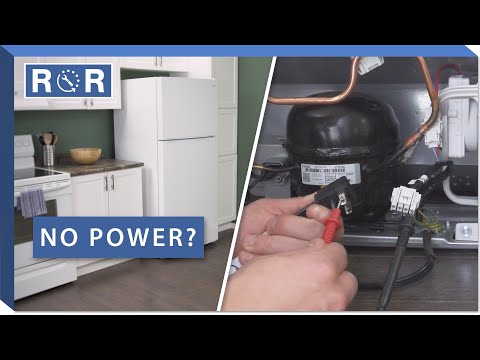
No Power? Refrigerator Won't Turn On (Troubleshooting Guide)
Introduction: The Frustrating Silence of a Dead Refrigerator
There are few household appliance failures as anxiety-inducing as a refrigerator that suddenly loses power. The hum of the compressor, the comforting glow of the interior light – when these go silent, your mind immediately races to thawing food, spoiled groceries, and the looming expense of a repair or replacement. But don't panic just yet! Many "no power" issues can be resolved with a bit of systematic troubleshooting.
As experts in appliance parts and repair, we've seen it all. This comprehensive guide will walk you through the most common reasons why your refrigerator won't turn on, from simple fixes to more complex component diagnostics. Let's get your fridge back to keeping things cool!
Initial Checks: The Simple Solutions First
Before you dive into technical diagnostics, it's crucial to rule out the most basic (and often overlooked) culprits. These steps require no tools and minimal technical know-how.
Is Your Refrigerator Plugged In?
It sounds almost too simple, but it happens! Sometimes the cord can be accidentally pulled out from the wall, or a pet might have dislodged it. Ensure the power cord is fully and securely plugged into a working electrical outlet. Wiggle it gently to confirm a snug connection.
Check the Power Outlet
If the refrigerator is plugged in, the next step is to verify that the outlet itself is supplying power. Unplug your refrigerator and plug another small appliance (like a lamp, phone charger, or hairdryer) into the same outlet. If the other appliance doesn't work, you've found your problem: the outlet is dead. This often points to a tripped circuit breaker.
Inspect Your Home's Circuit Breaker
A tripped circuit breaker is a very common cause of a refrigerator losing power. Locate your home's electrical service panel (usually in the basement, garage, or a utility closet). Look for a breaker that is "flipped" to the "off" position, or sometimes stuck halfway between "on" and "off." Flip the tripped breaker firmly to the "off" position, then back to "on." If the outlet now works and your fridge powers up, congratulations – you've solved it!
Important: If the breaker trips again immediately or frequently, there might be an underlying electrical issue or an overloaded circuit. In such cases, it's best to consult a qualified electrician.
Examine the Power Cord
Carefully inspect the refrigerator's power cord for any visible signs of damage, such as fraying, cuts, or burn marks. A damaged cord can prevent power from reaching the appliance and can also be a safety hazard. If the cord is damaged, it will need to be replaced by a professional or with a genuine replacement part.
Investigating Refrigerator-Specific Settings
Modern refrigerators come with various features and modes that can sometimes be mistaken for a power failure.
Confirm Temperature Settings
While usually more related to cooling issues, some refrigerators have a "power off" or "vacation" setting accessible via the temperature controls. Double-check your refrigerator's control panel to ensure it hasn't been accidentally set to a mode that powers down the cooling system or the entire unit.
Is Your Fridge in "Demo Mode"?
This is a surprisingly common issue, especially with newer, high-tech refrigerators. "Demo Mode" (also known as "Showroom Mode" or "Display Mode") is designed to keep the interior lights and display panels working for retail display while disabling the compressor and cooling system. Your fridge might appear to have power (lights on, display working), but it won't actually cool or make compressor noises. Consult your owner's manual for instructions on how to disable demo mode, as it varies by brand and model.
Deeper Diagnostics: When Basic Checks Don't Work
If the simple solutions didn't resolve the issue, it's time to delve into some of the refrigerator's internal components. This might require some basic tools and a comfort level with appliance internals. Always unplug the refrigerator before performing any internal inspection or repair.
Does the Interior Light Turn On?
This is a critical diagnostic step. If the interior light turns on when you open the door, it means the refrigerator is receiving power. The problem isn't a general power supply issue but rather a specific component failure preventing the compressor, fans, or control board from operating. If the light does NOT turn on, the issue is still likely related to the power supply or the main control board.
Troubleshooting the Start Relay and Overload Protector
If your refrigerator has power (e.g., the light works) but the compressor isn't running and there's no cooling, the start relay or overload protector connected to the compressor might be faulty. These components are essential for helping the compressor start and protecting it from overheating.
- Start Relay: This component provides a boost of power to the compressor to get it running. If it fails, the compressor won't start.
- Overload Protector: This acts as a safety switch, cutting power to the compressor if it draws too much current or overheats.
You can often locate these components attached to the side of the compressor at the bottom rear of your refrigerator. Look for signs of burning or rattling if you shake them. For a visual guide on inspecting components like the start relay and compressor, you might find this helpful video from RepairClinic.com insightful, even though it focuses on cooling issues, the components and their location are the same.
The Thermostat or Temperature Control Board
If the interior light works, but the compressor, fans, and dispenser (if applicable) are completely unresponsive, the thermostat or the main temperature control board could be the culprit. The thermostat sends signals to the control board to tell the compressor when to run. If it's faulty, it might not be sending the "turn on" signal.
The Main Control Board
The main control board is the "brain" of your refrigerator, managing all its functions. If all other components appear to be working or have been ruled out, a faulty main control board could be preventing the refrigerator from turning on. Look for visible signs of damage like burnt spots or bulging capacitors on the board. Replacing a control board can be complex and is often best left to a professional, though many DIYers manage it with the right instructions and replacement parts.
When to Call the Professionals
While many refrigerator "no power" issues can be resolved with DIY troubleshooting, there are times when calling a professional appliance repair technician is the safest and most efficient option:
- You're uncomfortable working with electrical components or inside the appliance.
- You've identified a faulty component, but feel unsure about replacing it yourself.
- The issue seems complex, involves multiple potential failures, or persists after basic troubleshooting.
- There's a strong smell of burning plastic or an unusual electrical odor.
Conclusion: Get Your Refrigerator Humming Again
A refrigerator that won't turn on is a major inconvenience, but by following these systematic troubleshooting steps, you stand a good chance of identifying and resolving the problem. Remember to always prioritize safety by unplugging the appliance before performing any internal checks.
Should you need genuine replacement parts for your refrigerator, or if you decide it's time to call in the experts, our team is here to help you get your kitchen back in working order. Don't let a silent fridge spoil your day – or your food!