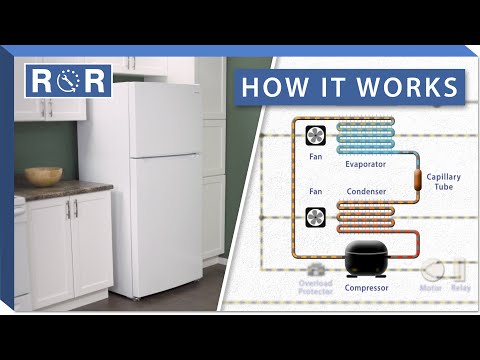
How a Refrigerator Works
Unveiling the Mystery: How Your Refrigerator Works Its Cooling Magic
Imagine a world without refrigerators. Fresh food would be a luxury, and meal planning would be a daily race against spoilage. Thankfully, this isn't our reality, all thanks to one of the most indispensable appliances in our homes: the refrigerator. But have you ever stopped to wonder how this marvelous machine keeps your milk cold and your veggies crisp?
At first glance, a refrigerator seems to defy physics – it magically creates cold. In reality, it's performing a clever trick: it doesn't create cold, it simply moves heat. By understanding the ingenious process behind its operation, you'll not only gain a deeper appreciation for your fridge but also be better equipped to understand common issues and keep it running efficiently. Let's pull back the curtain and explore the fascinating journey of cooling!
The Core Principle: Heat Transfer, Not Cold Generation
The fundamental principle behind refrigeration is the removal of heat from an enclosed space. Heat naturally flows from warmer areas to colder areas. A refrigerator's job is to reverse this natural flow, actively pulling heat out of its insulated interior and expelling it into your kitchen. It achieves this through a continuous cycle involving a special chemical called a refrigerant and several key components that work in harmony.
Meet the Essential Players: Key Refrigerator Components
Every refrigerator, regardless of its make or model, relies on five primary components to perform its cooling duties:
- The Compressor: Often called the "heart" of the refrigerator, the compressor is an electric pump located at the bottom rear of the unit. Its job is to pressurize the refrigerant gas, causing its temperature to rise significantly.
- The Condenser Coils: These are typically black coils located on the back of the fridge or underneath it. The hot, high-pressure refrigerant gas flows through these coils, releasing its heat into the cooler ambient air of your kitchen. As it cools, the gas condenses and turns back into a high-pressure liquid.
- The Expansion Valve (or Capillary Tube): This small, narrow tube or valve causes a sudden drop in pressure for the liquid refrigerant. This pressure drop is crucial because it allows the refrigerant to expand and cool down dramatically, preparing it to absorb heat.
- The Evaporator Coils: Located inside the refrigerator's freezer compartment or behind the back panel, these coils are where the magic of cooling the food happens. The now cold, low-pressure liquid refrigerant flows through these coils, absorbing heat from the warm air inside the fridge. As it absorbs heat, the liquid refrigerant evaporates and turns back into a low-pressure gas.
- The Refrigerant: This is the working fluid – a special chemical compound (like R-134a in modern fridges) that easily changes between liquid and gas states at different temperatures and pressures, facilitating the heat transfer process.
The Refrigeration Cycle: A Journey of Transformation
Now, let's put these components together to understand the continuous cycle that keeps your food fresh:
- Compression (Hot Gas): The compressor takes the low-pressure, cool refrigerant gas from the evaporator and squeezes it. This compression dramatically increases both the pressure and the temperature of the gas, making it very hot.
- Condensation (Heat Release): The hot, high-pressure refrigerant gas then flows into the condenser coils. As the heat radiates away from the coils into the kitchen air, the gas cools down and condenses, turning into a high-pressure liquid.
- Expansion (Pressure Drop & Cooling): The high-pressure liquid refrigerant then travels through the expansion valve (or a thin capillary tube). This sudden drop in pressure causes the liquid to expand rapidly, which in turn causes its temperature to plummet. It becomes a very cold, low-pressure liquid.
- Evaporation (Heat Absorption): This super-cold, low-pressure liquid now enters the evaporator coils inside the refrigerator. The warm air from the food and interior of the fridge passes over these coils. The refrigerant, being much colder, readily absorbs this heat. As it absorbs heat, the liquid refrigerant evaporates and turns back into a low-pressure gas.
- Return to Compressor: This cool, low-pressure refrigerant gas then returns to the compressor, and the entire cycle begins again.
This continuous loop efficiently removes heat from inside your refrigerator, expelling it outside, and maintaining the desired cool temperature. For a fantastic visual explanation of this entire cycle, we highly recommend watching this animated video: How a Refrigerator Works (Animation) by Learn Engineering. It beautifully illustrates the journey of the refrigerant!
Beyond the Core: Other Important Refrigerator Features
While the refrigeration cycle is the heart of the operation, several other components play crucial roles in a modern refrigerator's efficiency and functionality:
- Thermostat and Control Board: These regulate the temperature by turning the compressor on and off as needed, maintaining your set temperature.
- Evaporator Fan: Located near the evaporator coils, this fan circulates the cold air throughout the refrigerator and freezer compartments, ensuring even cooling.
- Condenser Fan: If your condenser coils are located underneath the fridge, a fan helps to blow air over them, assisting in the heat dissipation process.
- Defrost Heater and Timer: To prevent ice buildup on the evaporator coils (which would impede heat transfer), a defrost system periodically melts away frost.
- Door Seals (Gaskets): These form an airtight seal when the door is closed, preventing warm air from entering and cold air from escaping – critical for efficiency.
Why Understanding Your Refrigerator Matters
Knowing how your refrigerator works isn't just an interesting fact; it's empowering. It helps you:
- Troubleshoot minor issues: If your fridge isn't cooling, you might first check if the condenser coils are dirty or if the door seal is compromised.
- Practice better maintenance: Understanding the role of coils emphasizes the importance of cleaning them regularly.
- Appreciate its complexity: It's a testament to engineering ingenuity!
- Know when to call a professional: For issues related to the compressor or refrigerant leaks, it's always best to consult certified appliance repair technicians.
Keeping Your Cool: A Marvel of Modern Living
From a simple box to a sophisticated system of physics and chemistry, your refrigerator is truly a marvel. It silently and tirelessly works day in and day out to preserve your food and enhance your daily life. Understanding its inner workings not only demystifies this essential appliance but also helps you care for it, ensuring it continues to provide reliable service for years to come.
If you're experiencing issues with your refrigerator or need replacement parts to keep it running smoothly, explore our extensive catalog of genuine appliance parts or contact our expert repair team for assistance!