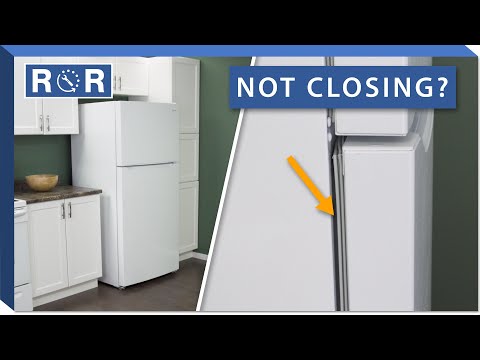
Door Not Staying Closed (Troubleshooting Guide)
Is Your Appliance Door Not Staying Closed? Here's How to Fix It!
Few things are as frustrating (and wasteful!) as an appliance door that refuses to stay shut. Whether it's your refrigerator, freezer, or even a dishwasher, a door that won't seal properly can lead to skyrocketing energy bills, spoiled food, and unnecessary wear and tear on your unit. Before you panic and call for a professional, many common causes for a door not staying closed can be diagnosed and fixed with a little DIY effort. This comprehensive troubleshooting guide will help you pinpoint the problem and get your appliance back to peak performance.
Check Your Appliance's Level
A surprising number of door problems stem from an uneven appliance. If your refrigerator or freezer isn't perfectly level, gravity can work against the door, preventing it from swinging shut or staying closed. Most refrigerators are designed to be slightly tilted backward, allowing the door to swing closed naturally. If the front is higher than the back, the door might swing open.
How to fix: Use a spirit level to check the top of your appliance from front to back and side to side. Adjust the leveling feet (usually found at the front bottom) by turning them clockwise or counter-clockwise until the appliance is stable and correctly angled. You might need to tilt the fridge slightly forward or pull it out to access the feet effectively.
Inspect and Clean the Door Gasket/Seal
The rubber or magnetic gasket that lines your appliance door is crucial for creating a tight seal. Over time, these gaskets can become dirty, stiff, cracked, or even torn, preventing the door from sealing completely. This is one of the most common culprits for a door that won't stay shut.
How to fix: First, give the gasket a thorough cleaning. Use warm, soapy water and a soft cloth to wipe away any food debris, grime, or sticky residue that might be interfering with its seal. Pay close attention to corners and crevices.
Next, inspect the gasket for any visible damage like cracks, tears, or hardening. You can perform a simple 'paper test': close the door on a piece of paper, then try to pull it out. If it slides out easily, the seal is weak in that spot. Repeat this around the entire door. If the gasket is damaged or no longer pliable, it likely needs replacement.
For a visual guide on how to replace a refrigerator door gasket, we highly recommend watching this helpful video: Refrigerator Door Gasket Replacement | How To Replace Fridge Door Seal. This DIY repair can significantly improve your appliance's efficiency and prevent further issues.
Examine the Door Hinges
Worn, loose, or damaged hinges can prevent a door from closing properly. Over time, the constant swinging can cause hinges to loosen, sag, or even become corroded, especially in humid environments.
How to fix: Open the door and carefully inspect the hinges at the top and bottom. Look for signs of corrosion, bending, or loose screws. If screws are loose, gently tighten them with a screwdriver. Be careful not to overtighten, which could strip the screw holes. If the hinges appear bent, significantly corroded, or damaged, they might need to be replaced. Some hinges also have adjustable shims or washers that can be repositioned to correct door alignment. A little food-grade silicone lubricant can also help if the hinges are stiff, but ensure it's safe for use near food items.
Check for Obstructions or Overloading
Sometimes, the simplest solutions are the most overlooked. A door that won't stay closed could be due to items inside the refrigerator or freezer.
How to fix:
- Overloading: If shelves are packed too full, items can protrude and block the door from closing completely. Rearrange contents to ensure nothing is sticking out.
- Improperly Placed Items: Tall bottles, pizza boxes, or even ice maker components can get in the way. Ensure all drawers are fully pushed in and no items are catching on the door as it attempts to close.
- Internal Ice Build-up: In freezers, excessive ice build-up around the edges can create an obstruction. Defrost your freezer if this is the case.
Investigate the Door Cam or Closer (Specific Models)
Some refrigerator models, particularly those with self-closing doors, utilize a door cam or closer mechanism. This is often a small plastic or metal cam located near the bottom hinge that helps guide the door shut. It's designed to exert a slight closing force as the door approaches its closed position.
How to fix: Over time, these cams can wear down, crack, break, or become dislodged, losing their ability to pull the door shut. If your refrigerator has this feature, inspect the cam for damage. If it's broken, it will need to be replaced. This often requires tilting the appliance or removing the bottom hinge, so consult your appliance's manual or a specific repair guide for your model before attempting this repair.
When to Call a Professional
While many door issues can be resolved with DIY troubleshooting, some problems might require expert intervention. If you've gone through all these steps and your appliance door still isn't staying closed, or if you're uncomfortable performing a particular repair, it's time to call a qualified appliance repair technician. Ignoring a persistently open door can lead to significantly higher energy bills, rapid food spoilage, and potential damage to the compressor, which is a much more costly repair.
A properly sealing door is vital for your appliance's efficiency and the longevity of your food. By regularly inspecting your gaskets, ensuring your appliance is level, and keeping an eye on your hinges, you can prevent many common 'door not staying closed' issues. If a repair is needed, remember that replacement parts are readily available, and a little effort can save you from a bigger headache down the road!