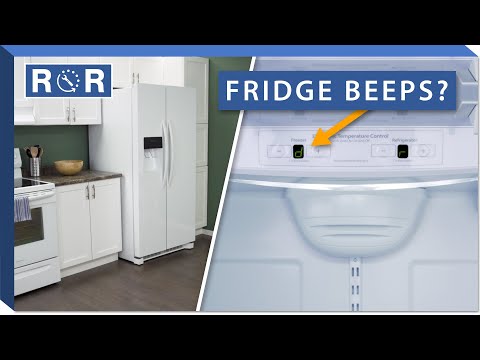
Refrigerator Beeping (Troubleshooting Guide)
Is your refrigerator beeping incessantly, turning your kitchen into an irritating symphony? You're not alone! A beeping refrigerator is a common household nuisance that often signals an underlying issue, from something as simple as a door left ajar to a more complex internal problem. Don't let that persistent beep drive you crazy – this comprehensive troubleshooting guide is here to help you diagnose and potentially fix the problem, restoring peace (and proper cooling) to your home.
Why Is My Refrigerator Beeping? Common Causes Explored
Refrigerators are designed with various alarms to alert you to situations that could affect food safety or appliance performance. Here are the most frequent culprits behind that annoying beep:
1. The Door Isn't Fully Closed (Door Ajar Alarm)
This is by far the most common reason for a refrigerator alarm. If the door isn't sealed properly, cold air escapes, and warm air enters, prompting the fridge to beep to prevent spoilage and excessive energy consumption. Check for:
- Items blocking the door.
- Misaligned shelves or drawers.
- A dirty or damaged door gasket (seal).
Pro Tip: For a visual guide on checking and resolving door-related alarms, especially common on Whirlpool models, watch this helpful video: Whirlpool Refrigerator Door Alarm Troubleshooting.
2. Temperature Issues (High/Low Temperature Alarm)
Your fridge might be beeping because its internal temperature has strayed outside the optimal range. This could be due to:
- The door being open for too long.
- A recent power outage or surge.
- Overloading the fridge with warm groceries.
- A malfunctioning thermostat or temperature sensor.
Many modern refrigerators will beep to alert you if the temperature rises above a safe level (typically 40°F or 4°C) or drops too low.
3. Power Outage or Surge
After a power interruption, some refrigerators will beep to indicate that power was lost and the temperature might have fluctuated. This is often a temporary alarm that will clear once the system stabilizes.
4. Control Panel or Error Codes
Modern refrigerators have sophisticated control panels that can display error codes when something is amiss. A beep might accompany these codes. Consult your owner's manual for a list of specific error codes and their meanings for your model.
5. Ice Maker Problems
If your refrigerator has an ice maker, issues with its operation can sometimes trigger an alarm. This might include a jammed ice dispenser, a low water supply, or a fault with the ice maker mechanism itself.
6. Defrost System Malfunction
Less common, but a problem with the automatic defrost system (like a faulty defrost heater or sensor) can sometimes cause temperature fluctuations or other issues that trigger an alarm. This is usually accompanied by excessive frost buildup.
7. Recent Maintenance or Cleaning
Sometimes, after cleaning your fridge or performing minor maintenance, a sensor might get temporarily triggered, leading to a brief beeping sound until it recalibrates.
Basic Troubleshooting Steps: Silence That Beep!
Before calling for professional help, try these simple steps:
1. Check Both Doors (and Drawers) Thoroughly
Ensure both the refrigerator and freezer doors are completely shut. Push them firmly. Look for anything obstructing the seal – food items, containers, or even a child's toy. Clean the door gaskets with warm, soapy water to ensure a proper seal.
2. Reset the Refrigerator
Often, a quick reset can clear minor electronic glitches. Unplug the refrigerator from the wall outlet, wait for 5-10 minutes, then plug it back in. This is like rebooting a computer.
3. Verify Temperature Settings
Check your refrigerator and freezer temperature settings. If they were accidentally changed or are set too high, adjust them to the recommended settings (usually 37°F/3°C for the fridge and 0°F/-18°C for the freezer). Give the appliance a few hours to reach the new temperature.
4. Look for Displayed Error Codes
If your fridge has a digital display, check for any blinking lights or alphanumeric error codes. Jot down the code and consult your owner's manual or look it up online for your specific model.
5. Inspect the Ice Maker
If you suspect the ice maker, check if the ice bin is overflowing, if ice cubes are jammed in the dispenser, or if the water line is kinked or shut off.
6. Clean Condenser Coils
While not a direct cause of beeping, dirty condenser coils can cause the compressor to work harder, leading to temperature fluctuations that might trigger an alarm. Locate them (usually at the back or bottom front) and vacuum away dust and debris.
When to Call the Pros (or Consider DIY Repair)
If you've tried all the troubleshooting steps above and your refrigerator is still beeping, or if you're dealing with persistent error codes, it might be time to call in the experts. Here are situations where professional help is recommended:
- The alarm persists despite all basic troubleshooting.
- You see specific error codes that indicate a major component failure (e.g., compressor, main control board).
- There are signs of significant temperature issues (food spoiling quickly, excessive frost).
- You're uncomfortable performing more complex diagnostics or parts replacement.
Many internal components, such as temperature sensors, defrost heaters, or control boards, require specialized knowledge and tools to diagnose and replace. If you're a DIY enthusiast, our company offers a wide range of genuine appliance parts that can help you get your fridge back in top shape. However, for complex electrical or sealed system issues, professional assistance is always the safest bet.
Silence the Beep, Restore the Chill!
A beeping refrigerator is definitely a nuisance, but by systematically checking common culprits, you can often pinpoint and resolve the issue yourself. Remember to always prioritize safety when working with appliances – unplug the unit before attempting any internal checks or repairs.
If you need replacement parts or are looking for expert advice, don't hesitate to contact our team or browse our extensive catalog of genuine appliance parts. We're here to help you keep your appliances running smoothly!