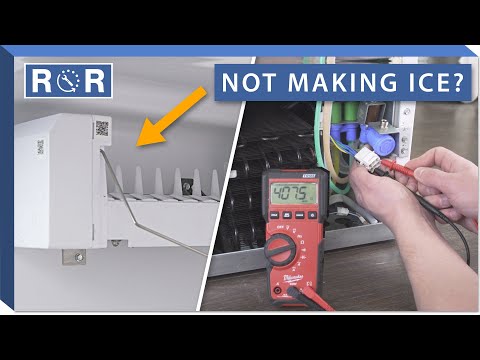
Ice Maker Not Working? (Refrigerator Troubleshooting)
There's nothing quite as frustrating as reaching for a handful of ice on a hot day, only to find your refrigerator's ice maker has decided to take an unscheduled vacation. A non-functioning ice maker is a common complaint, but thankfully, many of the issues are surprisingly simple to diagnose and fix yourself. Before you call a repair technician, let's walk through some systematic troubleshooting steps that can help you get your cubes flowing again.
Is Your Ice Maker Not Working? Let's Get to the Bottom of It!
While a broken ice maker might seem like a major appliance breakdown, often the problem lies with a minor obstruction, a setting, or a worn-out component that’s relatively easy to replace. Our goal here is to help you pinpoint the issue and, if possible, empower you to perform a quick DIY repair. Let's start with the easiest checks and work our way to the more complex possibilities.
1. Start with the Basics: Simple Checks First
Check the Water Supply Line and Valve
No water means no ice! This is the most common reason for an ice maker to stop working. First, locate the water shut-off valve for your refrigerator, usually behind the fridge or under the sink. Ensure it's fully open. Next, inspect the water line itself for any kinks, bends, or damage that could restrict water flow. If your fridge has recently been moved, this is a prime suspect.
Is the Ice Maker Turned On?
It sounds obvious, but many ice makers have a control arm or a button that can accidentally be switched off. Check if the metal arm inside the ice maker is in the "down" position. If it's up, it tells the ice maker that the bin is full, preventing it from making more ice. Some newer models have an on/off switch or sensor; consult your owner's manual if you're unsure.
Clear the Ice Bin and Look for Jams
Sometimes, ice cubes can fuse together, creating a large block that jams the ejection mechanism or prevents new ice from dropping. Empty the ice bin completely and break up any large clumps. Also, ensure nothing is physically blocking the ice maker's moving parts.
Verify Freezer Temperature
For an ice maker to function correctly, the freezer needs to be cold enough. The ideal temperature for ice production is between 0°F and 5°F (-18°C and -15°C). If your freezer is too warm, the water won't freeze properly, or the ice maker's internal thermostat might not signal for a new cycle. Use an appliance thermometer to check the temperature, and adjust your freezer settings if necessary.
When Did You Last Change Your Water Filter?
A clogged water filter is another frequent offender. Over time, sediment and impurities accumulate, reducing water pressure to the ice maker. Most refrigerator manufacturers recommend changing the water filter every six months. If it's been longer than that, try replacing it. Ensure you use the correct replacement filter for your specific refrigerator model.
2. Deeper Dive: Common Component Failures
The Water Inlet Valve: A Frequent Culprit
The water inlet valve is an electrically operated valve that opens to allow water into the ice maker. If it's faulty, clogged, or not receiving power, your ice maker won't get the water it needs. Common symptoms of a bad inlet valve include no water entering the ice maker, or a slow drip that leads to small, misshapen ice cubes. You can test the valve for proper voltage with a multimeter, or check for clogs in its screen. This often requires pulling the refrigerator away from the wall.
For a visual guide on checking your water inlet valve and other ice maker components, you might find this video helpful: GE Refrigerator Ice Maker Troubleshooting. It provides a good overview of how to access and inspect these parts on a common refrigerator model.
The Ice Maker Assembly Itself
If water is getting to the ice maker but it's still not producing or ejecting ice, the issue might be with the ice maker assembly itself. This unit contains a motor, gears, a heating element, and a thermostat. Any of these components can fail. Look for signs of damage or wear. Sometimes, the heating element that slightly warms the mold to release the ice cubes can fail, causing ice to remain stuck.
Clogged Fill Tube
The fill tube delivers water from the inlet valve to the ice maker mold. If your freezer temperature fluctuates, water in the fill tube can freeze solid, creating a blockage. Inspect the fill tube, usually located above the ice maker, for any ice buildup. You can often clear this blockage carefully with a hairdryer on a low setting or by pouring warm water through it (with towels ready to catch drips).
3. When to Call the Pros
While many ice maker problems are solvable with a bit of DIY effort, there are times when it's best to call a professional. If you've gone through all these steps and still can't identify the problem, or if you're uncomfortable dealing with electrical components or dismantling parts of your refrigerator, don't hesitate to seek expert help. It's always better to ensure your safety and avoid causing further damage to your appliance.
Don't Sweat It – We're Here to Help!
A non-working ice maker is a hassle, but it doesn't have to ruin your day. By systematically troubleshooting the common culprits, you stand a good chance of diagnosing and fixing the problem yourself. If you do find you need a replacement part – be it a water filter, an inlet valve, or an entire ice maker assembly – our extensive inventory of genuine appliance parts is here to help you get your refrigerator back to making perfect ice cubes in no time!