How a Furnace Works
How a Furnace Works: A Step-by-Step Guide to Your Home’s Heating System
When the temperature drops outside, there is nothing quite like the comfort of a warm, cozy home. We often take this warmth for granted, simply adjusting the thermostat and expecting the heat to kick on. But have you ever wondered what actually happens behind the metal panels of your furnace to keep your living space comfortable?
Understanding how your furnace works is not just a matter of curiosity. Knowing the basic anatomy and operation of your heating system can help you identify minor issues before they turn into costly breakdowns, save money on energy bills, and communicate more effectively with appliance repair professionals. Let’s take a look inside a standard gas furnace to demystify the heating process step-by-step.
Step 1: The Thermostat Demands Heat
The entire heating cycle begins with your thermostat. Think of the thermostat as the brain of your home's HVAC system. When the ambient indoor air temperature falls below the temperature you have set, the thermostat sends a low-voltage electrical signal to the furnace's main control board (often called the integrated furnace control, or IFC).
Step 2: The Draft Inducer Motor Prepares the System
Once the control board receives the call for heat, it doesn't immediately ignite the gas. First, it must ensure safety. The board turns on a small blower fan known as the draft inducer motor. This motor creates a controlled draft, pulling fresh air into the burner assembly and clearing out any leftover combustion gases from the previous cycle through the chimney or vent pipe. This step also triggers a safety switch (the pressure switch) to prove to the system that the exhaust path is clear and safe for ignition.
Step 3: Ignition and Combustion
Once the pressure switch closes and confirms proper airflow, the control board initiates the ignition sequence. In modern furnaces, this is usually done using a hot surface igniter (which glows bright orange-hot, similar to a lightbulb filament) or a spark igniter.
As the igniter reaches the proper temperature, the main gas valve opens, releasing natural gas or propane into the burners. The gas meets the hot igniter and ignites, creating a steady, controlled flame inside the burners. A small metal rod called a flame sensor detects the presence of the flame. If the flame sensor does not detect fire within a few seconds, it shuts off the gas valve as a safety precaution to prevent unburned gas from filling your home.
Step 4: Warming the Heat Exchanger
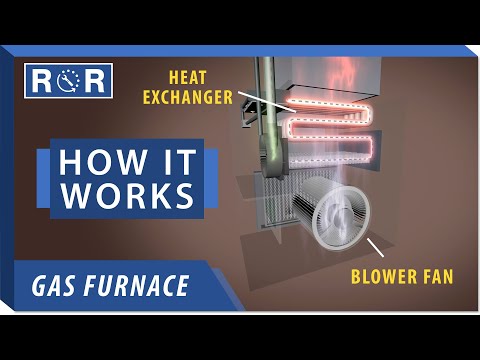
The flames from the burners shoot directly into a series of curved metal tubes called the heat exchanger. The heat exchanger is the heart of the furnace. As the hot combustion gases pass through these metal tubes, they heat up the metal walls of the exchanger.
Crucially, the heat exchanger acts as a sealed barrier. It keeps the toxic combustion gases (such as carbon monoxide, carbon dioxide, and water vapor) safely inside the tubes while transferring the heat to the clean household air passing over the outside of the tubes.
Step 5: The Blower Motor Circulates the Warm Air
Once the heat exchanger reaches a pre-set temperature (usually after about 30 to 45 seconds), the furnace's main blower motor turns on. This powerful fan draws cold air from your home through the return air ducts and pulls it through the furnace filter to remove dust and debris.
The blower then forces this cold, filtered air over the exterior of the hot heat exchanger. The air absorbs the heat from the metal walls of the heat exchanger, warming up rapidly. This newly warmed air is then pushed through the supply ductwork and distributed to every room in your house through the registers.
Step 6: Venting the Combustion Byproducts
While the clean, warm air is being blown into your living spaces, the toxic combustion gases inside the heat exchanger must go somewhere. The draft inducer motor pushes these spent gases out of the heat exchanger and vents them safely outside the home through a flue pipe or chimney.
In high-efficiency furnaces (90% AFUE or higher), there is a second heat exchanger that extracts even more heat from the exhaust gases, causing the moisture in the exhaust to condense into liquid water. This water is drained away through a condensate drain line, and the remaining cool exhaust is vented outside through a PVC pipe.
Step 7: Reaching the Target Temperature
The furnace will continue to run this cycle until the indoor air temperature reaches the setting on your thermostat. Once the target temperature is met, the thermostat stops sending the heat signal. The gas valve closes immediately, extinguishing the burners. The blower motor continues to run for a minute or two to extract any remaining heat from the cooling heat exchanger, and then the entire system shuts down, waiting for the next cycle.
Watch the Process in Action
If you would like a clear, visual walkthrough of this entire sequence, we highly recommend watching this excellent, step-by-step video guide. Seeing the components interact in real-time makes it much easier to understand how your home heating system operates: Watch How a Furnace Works on YouTube.
The Importance of Regular Maintenance
Because a furnace relies on a precise sequence of electrical, mechanical, and gas-powered events, a failure in even one small component can shut down the entire system. Common issues include:
- Dirty Air Filters: Restricts airflow, causing the heat exchanger to overheat and trigger safety switches (short-cycling).
- Dirty Flame Sensors: Prevents the furnace from realizing a flame has lit, causing it to shut down immediately after ignition.
- Worn Igniters: Like lightbulbs, igniters have a limited lifespan and will eventually crack or burn out, preventing the gas from lighting.
By replacing your filters regularly and keeping an eye on the health of your furnace's components, you can ensure your heating system runs safely and efficiently all winter long. If you ever need replacement parts or expert advice on diagnosing a furnace issue, don't hesitate to reach out to our team of appliance repair specialists!