Furnace Maintenance Guide
The Ultimate DIY Furnace Maintenance Guide: Keep Your Home Warm All Winter
As the temperature drops, your furnace becomes the most important appliance in your home. But like any hard-working machine, it requires regular upkeep to run efficiently, safely, and reliably. Neglecting your heating system can lead to soaring energy bills, sudden breakdowns in the dead of winter, and even safety hazards like carbon monoxide leaks.
Fortunately, you don’t need to be a certified HVAC technician to perform basic furnace maintenance. With a few simple tools, some high-quality replacement parts, and this comprehensive guide, you can keep your furnace running smoothly all season long.
Why Regular Furnace Maintenance is Essential
Many homeowners overlook their heating systems until something goes wrong. However, proactive maintenance is always cheaper than emergency repairs. Regular furnace care extends the lifespan of your heating system, improves your home’s indoor air quality, and ensures optimal energy efficiency, keeping your utility bills under control.
Step 1: Replace Your Furnace Air Filter
The single most important maintenance task you can perform is replacing your air filter. A clogged, dirty filter restricts airflow, forcing your furnace to work twice as hard to heat your home. This extra strain can cause the system to overheat and shut down prematurely.
We recommend checking your filter once a month and replacing it at least every 90 days—or more frequently if you have pets or allergy sufferers in your home. Always ensure you turn off the power to your furnace before sliding out the old filter and installing the new one.
Step 2: Clean the Flame Sensor
If your furnace starts up but shuts off after only a few seconds, a dirty flame sensor is often the culprit. Over time, silica and carbon buildup can insulate the sensor, preventing it from detecting the burner's flame. When this happens, the furnace shuts down as a safety precaution.
To clean it, shut off the power and gas supply, locate the flame sensor (typically a thin, bent metal rod near the burners), remove it, and gently clean the metal rod with a light abrasive pad or clean dollar bill. Avoid using sandpaper, as it can damage the protective coating.
Step 3: Clear the Intake and Exhaust Vents
For modern, high-efficiency condensing furnaces, outdoor vents are critical. Walk around the exterior of your home and inspect the plastic PVC intake and exhaust pipes. Ensure they are completely clear of leaves, bird nests, ice, snow, and other debris. Blocked vents can cause your furnace to shut off automatically due to safety switches detecting a backup of exhaust gases.
Step 4: Inspect the Blower Compartment and Belts
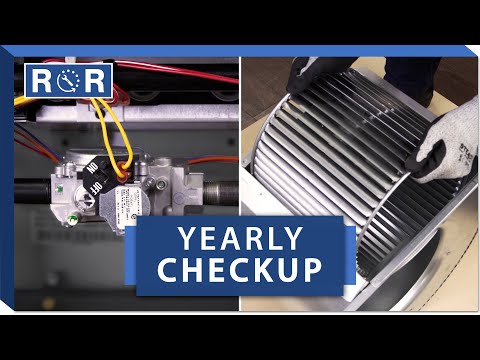
Open the blower compartment door (again, with the power safely turned off) and inspect the area. Use a vacuum cleaner with a brush attachment to gently remove any accumulated dust and pet hair from the blower wheel and surrounding components. If your furnace uses a belt-driven blower, inspect the belt for cracks, fraying, or excessive slack, and replace it if it shows signs of wear.
Troubleshooting Common Furnace Issues
Sometimes, even with regular maintenance, components wear out and need to be replaced. If your furnace is acting up, making strange noises, or failing to blow hot air, you need to diagnose the problem quickly.
To help you pinpoint the exact cause of your heating issues, watch this highly informative Furnace Troubleshooting Video Guide. This step-by-step video walks you through the top reasons why a furnace won't heat, from faulty igniters to bad limit switches, making it easy to identify the exact replacement parts you need.
Safety First: When to Call a Professional
While DIY maintenance can handle about 80% of your furnace's needs, certain tasks should be left to licensed professionals. If you suspect a gas leak (indicated by a rotten egg smell), hear loud banging metal noises, or suspect a cracked heat exchanger (which can leak deadly carbon monoxide), shut off your gas valve immediately and call an HVAC technician.
Investing in a carbon monoxide detector near your furnace and sleeping areas is also a non-negotiable safety step for every household with a gas furnace.
Find the Right Replacement Parts Today
Ready to tackle your furnace maintenance checklist? Having the right parts on hand makes all the difference. Whether you need a new air filter, a replacement flame sensor, a hot surface igniter, or blower motor parts, we have everything you need to keep your home warm and cozy. Browse our extensive inventory of high-quality OEM furnace parts and get your heating system back in peak condition today!