Furnace Troubleshooting - Common Problems
Don't Freeze: A Homeowner's Guide to Furnace Troubleshooting
There is nothing quite like the cozy warmth of a well-functioning furnace when the temperature drops outside. However, when your heating system suddenly stops working, your comfortable home can quickly turn into an icebox. Before you panic and call an expensive HVAC technician, many common furnace problems can be diagnosed—and even fixed—with some basic troubleshooting.
As a leading provider of appliance and heating system parts, we know how empowering (and budget-friendly) DIY repairs can be. In this guide, we will walk you through the most common furnace issues, how to troubleshoot them safely, and when it is time to swap out a faulty part.
The Furnace Won't Turn On At All
If your home is freezing and your furnace is completely silent, the issue is often related to power or thermostat communication. Before looking at complex mechanical components, check the simplest culprits first:
- Check the Thermostat: Ensure your thermostat is set to "Heat" and the temperature setting is higher than the current room temperature. If the screen is blank, replace the batteries.
- Check the Furnace Switch: Most furnaces have a power switch nearby that looks like a standard light switch. Ensure this switch is flipped to the "ON" position. It is surprisingly common for this switch to be turned off accidentally.
- Check the Breaker Panel: Locate your home's electrical panel and look for the circuit breaker labeled for your furnace. If it has tripped to the "OFF" or neutral position, flip it back to "ON."
The Furnace is Blowing Cold Air
Few things are more frustrating than feeling a cold draft coming from your heating vents. If your furnace is running but blowing cold air, try these troubleshooting steps:
1. Check the Air Filter: A heavily clogged air filter restricts airflow. When airflow is blocked, the furnace's heat exchanger overheats, causing a safety device called the "limit switch" to shut off the burners while keeping the blower fan running to cool the system down. This results in cold air blowing through your vents. Replace your filter every 30 to 90 days to prevent this.
2. Inspect the Flame Sensor: If your furnace ignites for a few seconds and then shuts off, a dirty flame sensor is likely to blame. Over time, carbon buildup coats the sensor, preventing it from detecting the flame. Cleaning the sensor gently with a light abrasive pad (like emery cloth or steel wool) often resolves this issue instantly.
3. Check the Igniter or Pilot Light: On older units, a draft may have blown out the pilot light. On modern units, a cracked or worn-out hot surface igniter will fail to glow and light the gas. If your igniter remains dark during the start-up sequence, it likely needs to be replaced.
The Furnace is Short Cycling (Turning On and Off Rapidly)
Short cycling occurs when your furnace turns on, runs for a brief period, and then shuts down before reaching the desired temperature. This puts immense wear and tear on your system and spikes your energy bills.
The most common cause of short cycling is overheating due to a dirty air filter or blocked registers. Ensure all your home's heating vents are open and unobstructed. If airflow is clear, the issue may lie with a faulty thermostat that is misreading the ambient temperature, or a failing limit switch that needs to be replaced.
Your Furnace is Making Strange Noises
While no furnace is completely silent, loud or unusual noises are a clear sign that something is wrong inside the cabinet:
- Squealing or Screeching: This usually points to a worn-out or loose blower belt, or dry bearings in the blower motor. Lubricating the bearings or replacing the belt can quiet the system down.
- Banging or Popping: A loud bang when the furnace starts up is often caused by delayed ignition. Gas builds up before igniting, causing a mini-explosion. This requires immediate attention, as it can crack your heat exchanger.
- Chirping or Rattling: This can indicate a loose panel, a failing motor, or debris caught in the blower wheel. Tighten any loose screws on the housing and inspect the blower compartment.
Watch and Learn: Visual Furnace Troubleshooting Guide
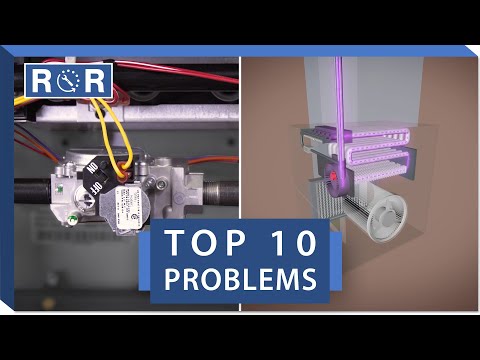
If you are more of a visual learner, seeing these components in action can make troubleshooting much easier. We highly recommend watching this comprehensive Furnace Troubleshooting Video Guide. This video walks you through the step-by-step sequence of operation for a standard furnace, helping you pinpoint exactly where your heating cycle is failing.
Safety First: When to Call a Professional
While replacing a dirty filter, cleaning a flame sensor, or swapping out an igniter are great DIY projects, safety should always be your top priority. Furnaces utilize high-voltage electricity and highly combustible natural gas or propane.
If you smell gas (a rotten egg odor), hear persistent booming noises, suspect a cracked heat exchanger (which can leak deadly carbon monoxide), or feel uncomfortable working around gas lines, shut off your system immediately and call a licensed HVAC professional.
For all your DIY furnace repairs, having the right parts on hand is key. Keeping a spare igniter, flame sensor, and plenty of clean air filters in your home will ensure you are never left out in the cold!