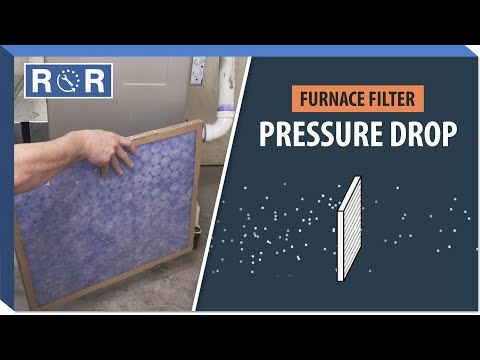
What is Pressure Drop? Furnace Filter Restriction Explained
Understanding Pressure Drop: Why Your Furnace Filter Matters More Than You Think
Your furnace filter might seem like a simple component, but its condition plays a critical role in the efficiency and longevity of your entire HVAC system. A common issue that arises from a neglected or improperly chosen filter is something called "pressure drop." But what exactly is pressure drop, and why should you, as a homeowner, care about it? Let's dive in.
What Exactly is Pressure Drop in Your HVAC System?
In the context of your furnace or air conditioner, "pressure drop" refers to the reduction in air pressure as air flows through a component in your ductwork – most notably, your air filter. Think of it like a dam in a river. The dam (your filter) restricts the natural flow of water (air), causing the water level (pressure) to be higher on one side and lower on the other. This difference in pressure is the "pressure drop."
Your furnace's blower motor is designed to move a specific volume of air through your home's ductwork. When an obstruction like a filter is in the way, the blower has to work harder to pull air through it, creating this pressure differential.
How Furnace Filters Contribute to Airflow Restriction
Every air filter, by its very design, creates some level of pressure drop. Its job is to capture airborne particles, which means it has to be a barrier. However, two main factors significantly increase this restriction:
- Dirt and Debris: As your filter accumulates dust, pet dander, pollen, and other pollutants, the tiny openings through which air flows become clogged. This is the most common cause of excessive pressure drop. A dirty filter is like trying to breathe through a pillow – it takes much more effort.
- MERV Rating: The Minimum Efficiency Reporting Value (MERV) rating indicates a filter's ability to capture smaller particles. Higher MERV filters (e.g., MERV 11-16) are more efficient at cleaning the air, but they also have a denser material that inherently restricts airflow more than lower MERV filters (e.g., MERV 4-8), even when clean.
The Damaging Effects of High Pressure Drop on Your HVAC System
Ignoring pressure drop can lead to a cascade of problems for your furnace and air conditioning system:
- Reduced Airflow and Comfort: The most immediate effect is less heated or cooled air reaching your living spaces. This leads to uneven temperatures, cold spots, and an overall reduction in comfort.
- Increased Energy Bills: Your blower motor has to work harder and longer to try and push or pull the required amount of air through the restricted filter. This increased effort translates directly to higher electricity consumption and inflated energy bills.
- HVAC System Strain: The blower motor isn't designed to constantly operate under high stress. Excessive pressure drop can lead to premature wear and tear on the motor, potentially causing it to overheat or fail, resulting in expensive repairs or replacement. It can also strain other components like the heat exchanger in a furnace.
- Frozen Evaporator Coils (AC Side): During cooling cycles, reduced airflow over the evaporator coil can cause the refrigerant to get too cold and the coil to freeze over. A frozen coil severely impairs cooling capacity and can damage the compressor.
- Short Cycling: Your system might "short cycle," meaning it turns on and off frequently without completing a full heating or cooling cycle. This is inefficient and puts extra stress on the system.
For a visual explanation of why a clean filter is crucial and how it impacts your system, consider watching this helpful video: Why a Clean Air Filter is a MUST for Your Furnace & AC.
Choosing the Right MERV Rating: A Balancing Act
While a higher MERV rating offers superior air filtration, it's not always the best choice for every system. Older HVAC systems, in particular, may not be designed to handle the increased static pressure created by a very dense filter. Forcing a high-MERV filter into a system not equipped for it can lead to all the problems associated with high pressure drop, even with a clean filter.
It's crucial to find a balance between air quality and airflow. Most residential systems perform well with MERV ratings between 8 and 11. If you have specific allergy concerns, consult with an HVAC professional before upgrading to a much higher MERV filter.
Preventing Excessive Pressure Drop: Best Practices
The good news is that preventing excessive pressure drop is largely within your control:
- Change Your Air Filter Regularly: This is the single most important step. Depending on your home (pets, allergies, number of occupants), you should check your filter monthly and replace it every 1-3 months. A visibly dirty filter is a clear sign it needs changing.
- Use the Correct Filter Size: Ensure your replacement filter is the exact size recommended by your furnace manufacturer. An ill-fitting filter can allow air to bypass the filter entirely, defeating its purpose and potentially leading to system issues.
- Choose the Appropriate MERV Rating: Stick to the MERV rating recommended by your HVAC technician or system manufacturer. If you're unsure, a MERV 8 filter is often a safe and effective choice for many homes.
- Schedule Professional Maintenance: An annual HVAC tune-up includes checking static pressure, cleaning components, and identifying any potential airflow restrictions before they become major problems.
Don't Let a Small Filter Cause Big Problems
Pressure drop is a critical concept for homeowners to understand. While it might sound technical, the takeaway is simple: a clean, appropriately-rated furnace filter is vital for the health, efficiency, and longevity of your heating and cooling system. Neglecting this simple component can lead to uncomfortable temperatures, higher energy bills, and costly repairs down the line.
Make checking and changing your furnace filter a regular part of your home maintenance routine. Your HVAC system (and your wallet) will thank you!