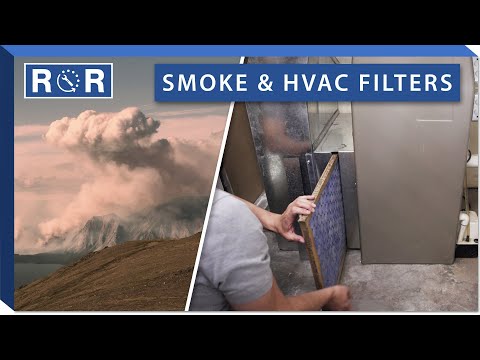
Before You Upgrade - Which Furnace Filters for Wildfire Smoke
Breathe Easier: Choosing the Right Furnace Filters for Wildfire Smoke
Wildfire season brings more than just stunning sunsets; it often brings a significant drop in air quality, impacting homes miles away from the blaze. When your windows are sealed shut, your HVAC system becomes your primary defense against microscopic smoke particles infiltrating your living space. But simply grabbing any filter off the shelf isn't enough. Before you rush to upgrade, understanding which furnace filters are truly effective against wildfire smoke is crucial for both your health and your HVAC system's longevity.
Why Your Furnace Filter is Your First Line of Defense
Your home's furnace or air conditioner isn't just for heating and cooling; it's also constantly circulating air. This circulation, when paired with the right filter, can effectively capture airborne pollutants, including the fine particulate matter (PM2.5) found in wildfire smoke. Without an adequate filter, your HVAC system can actually become a conduit, drawing smoky air in and distributing it throughout your home, exacerbating indoor air quality issues.
Understanding MERV Ratings: Your Key to Filtration Power
When it comes to furnace filters, the most important specification you'll encounter is the MERV rating, or Minimum Efficiency Reporting Value. This rating, ranging from 1 to 20, indicates how effectively a filter can capture particles of various sizes. Higher MERV ratings mean better filtration, as the filter is designed to trap smaller and smaller particles.
As explained in our helpful video on furnace filters, understanding MERV ratings is fundamental to choosing the right filter for your needs. You can watch it here for a deeper dive: Furnace Filter Basics: Understanding MERV Ratings. For general dust and pollen, a MERV 8 filter might suffice. But wildfire smoke particles are significantly smaller and require a more robust solution.
Recommended MERV Ratings for Wildfire Smoke
When wildfire smoke is a concern, you'll want to aim for a higher MERV rating than usual:
- MERV 13: This is generally considered the sweet spot for effectively capturing wildfire smoke particles without overly restricting airflow in most residential HVAC systems. A MERV 13 filter can capture at least 85% of particles between 1.0 and 3.0 microns and at least 50% of particles between 0.3 and 1.0 microns, which includes much of the harmful PM2.5 found in smoke.
- MERV 14-16: These filters offer even better filtration, capturing a higher percentage of very fine particles. However, they also present a greater risk of airflow restriction, which we'll discuss next.
- Avoid Lower MERV Ratings: Filters rated MERV 8 or below offer very little protection against the fine particles in wildfire smoke. While they'll catch larger dust, pet dander, and pollen, they'll allow most smoke particles to pass right through.
The "Before You Upgrade" Warning: Airflow Matters!
This is where the "before you upgrade" part becomes critical. While a higher MERV rating sounds universally better, it's not always the case for every HVAC system. Filters with MERV ratings of 13 and above are much denser. This increased density means they restrict airflow more significantly than lower-rated filters.
If your furnace or air conditioner isn't designed to handle the increased static pressure caused by a high-MERV filter, you could face several problems:
- Reduced System Efficiency: Your HVAC system will have to work harder to pull air through the dense filter, leading to higher energy consumption and increased utility bills.
- System Damage: Over time, the strain on your furnace's blower motor can lead to premature wear and tear, costly repairs, or even complete system failure.
- Poor Comfort: Restricted airflow can lead to uneven heating or cooling throughout your home, creating uncomfortable hot or cold spots.
Other Important Considerations for Smoke Filtration
Beyond the MERV rating, keep these tips in mind when preparing your home for wildfire season:
- Check Your System's Compatibility: Consult your HVAC system's manual or contact a qualified technician to determine the maximum MERV rating your unit can safely handle. Do not exceed this recommendation.
- Change Filters Frequently: Wildfire smoke clogs filters much faster than typical household dust. During periods of poor air quality, inspect your filter weekly and be prepared to change it every 2-4 weeks, or even more often if the air quality is severe. A clogged filter is an inefficient filter.
- Seal Your Home: Filters can only do so much if smoke is seeping in through gaps around windows, doors, or unsealed ductwork. Take steps to seal any obvious leaks in your home's envelope.
- Consider Portable Air Purifiers: For an added layer of protection, especially in bedrooms or main living areas, a standalone HEPA air purifier can supplement your HVAC system's filtration efforts.
When to Call a Professional
If you're unsure about the best filter for your specific HVAC system, or if you're experiencing reduced airflow or unusual noises after upgrading your filter, it's always best to consult with a professional HVAC technician. They can assess your system, recommend the most appropriate filter, and ensure your unit is operating safely and efficiently.
Protect Your Home, Protect Your Lungs
Navigating wildfire season requires proactive measures, and your furnace filter is a critical component of your indoor air quality strategy. By understanding MERV ratings and considering your HVAC system's limitations, you can make an informed decision that protects your family's health without inadvertently damaging your home's heating and cooling equipment. For all your furnace filter needs, appliance parts, or expert repair services, we're here to help you breathe a little easier.