Gas Water Heater - Maintenance Guide
Why Gas Water Heater Maintenance Matters
There is nothing quite like stepping into a cold shower to ruin your morning. A gas water heater is one of the hardest-working appliances in your home, yet it is often completely ignored until something goes wrong. Performing routine maintenance not only extends the lifespan of your unit—saving you from a costly premature replacement—but it also keeps your energy bills in check and ensures your family enjoys a reliable supply of hot water.
The Impact of Sediment Buildup
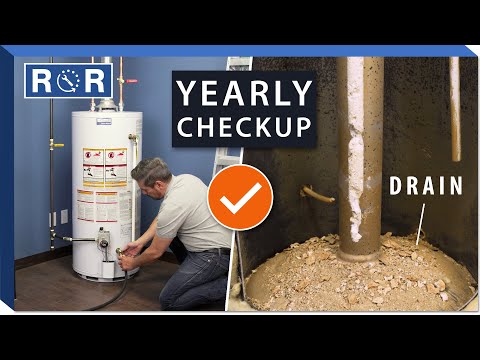
Over time, minerals present in your local water supply naturally settle at the bottom of the water tank. As the burner heats the water from below, this layer of sediment acts as a barrier between the heat source and the water. This forces your water heater to work much harder and longer to reach the desired temperature, which drives up your gas utility bills and stresses the tank walls. Left unchecked, this sediment can harden, create popping or rumbling noises, and eventually corrode the tank, leading to leaks or complete failure.
Essential Steps for Flushing Your Water Heater
Flushing your gas water heater at least once a year is the single most important maintenance task you can perform. To see this process in action, check out this helpful step-by-step water heater maintenance video. Generally, the process involves turning off the gas supply and the thermostat to the "pilot" or "off" position, connecting a garden hose to the drain valve at the bottom of the tank, and running the water out into a floor drain or outside until it runs clear of debris and sediment.
Checking the Anode Rod and Safety Valves
Beyond flushing the tank, there are a few other critical components that require your attention. The sacrificial anode rod is a metal rod suspended inside your tank designed to attract corrosive elements in the water so that the tank walls themselves don't rust. You should inspect this rod every few years and replace it if it is heavily pitted or depleted. Additionally, periodically test the temperature and pressure (T&P) relief valve by lifting the lever briefly to ensure water discharges properly and the valve snaps shut afterwards, preventing dangerous pressure buildups inside the sealed tank.
Knowing When to Call the Professionals
While DIY maintenance goes a long way toward keeping your gas water heater running smoothly, safety always comes first. If you notice persistent gas odors, persistent pilot light ignition issues, extensive rust around structural fittings, or complex plumbing challenges, it is time to call in certified appliance repair professionals. Routine care keeps your home safe and efficient, but expert help ensures your hot water system stays reliable for years to come.