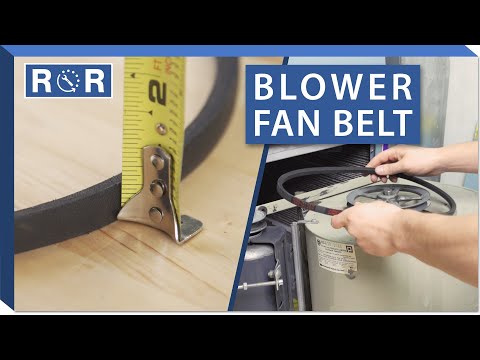
Furnace - Blower Fan Belt
Is a Worn Blower Fan Belt Stealing Your Home's Warmth?
When the winter chill sets in, your furnace becomes the heart of your home. You rely on it to pump warm, cozy air through your vents day and night. But what happens when you start hearing a high-pitched squeal coming from the basement, or worse, you notice that the air blowing out of your registers is barely a whisper?
If you have an older or heavy-duty belt-driven furnace, the culprit is very likely a worn, loose, or broken furnace blower fan belt. While many modern residential furnaces use direct-drive motors, millions of highly reliable belt-driven units are still keeping homes warm today. Understanding how this simple rubber belt works—and how to replace it—can save you from an expensive emergency HVAC service call on the coldest day of the year.
What is a Furnace Blower Fan Belt?
In a belt-driven furnace system, the blower motor and the blower fan (the wheel that pushes air through your ductwork) are two separate components. The blower fan belt is the physical link between them. As the motor spins, the belt transfers that rotational energy to the blower wheel, spinning the fan and circulating warm air throughout your home.
Because this belt is made of rubber and is constantly subjected to heat, friction, and tension, it will naturally wear down over time. It can stretch, crack, fray, and eventually snap. When the belt fails, your furnace's burner will still ignite, but there will be no fan action to push that warm air into your living spaces. This can cause the furnace to quickly overheat and shut down via its high-limit safety switch.
Signs Your Furnace Blower Belt Needs Attention
Fortunately, a furnace blower belt rarely fails without warning. Keep an ear and an eye out for these common symptoms of a failing belt:
1. Loud Squealing or Screeching: This is the most common warning sign. A high-pitched squeal when the furnace kicks on usually means the belt has stretched out, lost its tension, and is slipping on the metal pulleys.
2. Weak Airflow: If the belt is slipping consistently, the blower wheel won't spin at its designated speed. You will notice a significant drop in the volume of air coming out of your heating vents.
3. No Airflow at All: If you hear the furnace motor humming but no air is moving through your vents, the belt has likely broken or slipped completely off the pulleys.
4. A Burning Rubber Smell: A loose belt can create intense friction against the pulleys, heating up the rubber and releasing a distinct, unpleasant burning smell through your ductwork.
Step-by-Step: How to Replace a Furnace Blower Fan Belt
Replacing a worn furnace belt is one of the easiest and most budget-friendly DIY repairs you can perform on your heating system. For a visual, step-by-step walkthrough of this exact repair, check out this helpful furnace blower fan belt repair guide on YouTube. Here is a summary of the steps to get your system back up and running:
Step 1: Turn Off the Power. Safety is paramount. Locate the power switch on or near your furnace and flip it to the "Off" position. You should also turn off the corresponding circuit breaker at your main electrical panel to guarantee there is no power running to the unit.
Step 2: Remove the Access Panel. Most furnaces have a removable metal compartment door that shields the blower assembly. Unscrew or unlatch the panel and set it aside.
Step 3: Inspect the Old Belt. Locate the belt running between the motor pulley and the blower wheel pulley. Inspect it for cracks, dry rot, missing chunks, or excessive slack. If you press down on the middle of the belt, it should only deflect about a half-inch. Any more than that indicates it is too loose.
Step 4: Remove the Old Belt. To remove the old belt, you can gently roll it off the larger blower pulley while slowly turning the wheel by hand. Be extremely careful not to pinch your fingers between the belt and the pulley. Alternatively, you can loosen the mounting bolts on the motor to slide the motor closer to the blower, releasing the tension on the belt.
Step 5: Size the Replacement Belt. Take your old belt to a local appliance parts store or search online using your furnace's model number. You can also look at the outer edge of the old belt; the size and part number are often printed directly on the rubber (e.g., "4L290" or "A27"). It is critical to get an exact match for width and length.
Step 6: Install and Tension the New Belt. Loop the new belt around the smaller motor pulley first, then carefully guide it onto the larger blower pulley. If you loosened the motor mounts, slide the motor back to create tension and tighten the bolts. Check the belt tension; it should be snug but still have about 1/2-inch of give when pressed.
Step 7: Reassemble and Test. Replace the furnace access door, secure the latches, and restore power at the breaker and the furnace switch. Turn your thermostat up to call for heat and listen to ensure the blower starts up smoothly and quietly without any slipping or squealing.
Proactive Maintenance Tips for a Quiet, Reliable Furnace
To avoid unexpected breakdowns, make checking your blower fan belt a part of your annual fall furnace maintenance checklist. Inspecting the belt before the cold weather hits gives you plenty of time to order a replacement.
While you are inspecting the belt, take a moment to check the pulleys for alignment. If the pulleys are misaligned, the belt will wear out prematurely on one side. Additionally, if your blower motor has lubrication ports, add a few drops of lightweight 3-in-One motor oil to keep the bearings spinning smoothly. Keeping a spare blower belt hanging on a hook near your furnace is also a smart, low-cost way to ensure you are never left shivering in the dark if a belt happens to snap unexpectedly.