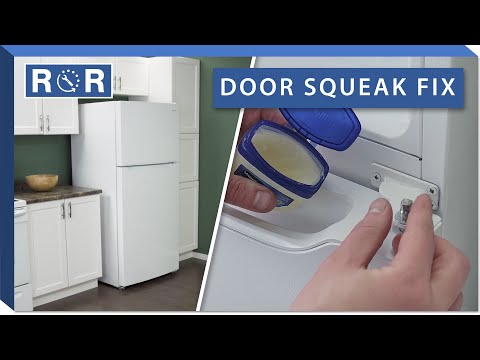
Door Squeaking? (Troubleshooting Guide)
Door Squeaking? (Your Troubleshooting Guide)
That annoying squeak every time you open the refrigerator for a snack, or the dishwasher after a meal – it’s more than just a nuisance. A squeaky appliance door can indicate wear and tear, and if left unaddressed, could potentially lead to bigger problems down the line. But don't fret! Most squeaky door issues are simple DIY fixes. This guide will help you diagnose and silence that bothersome sound, often with just a few common tools and a little know-how.
Why Do Appliance Doors Squeak?
Before we dive into solutions, let's understand the culprits. Appliance door squeaks usually stem from friction. This friction can be caused by:
- Dirt and Grime: Accumulated dust, grease, or food particles on hinges.
- Lack of Lubrication: Hinges dry out over time, losing their smooth movement.
- Loose Screws: Hinges or door panels that aren't securely fastened can rub.
- Worn Components: Over time, hinge pins, bushings, or the hinges themselves can wear down.
- Misalignment: The door itself might be slightly out of alignment, causing parts to rub.
Your Step-by-Step Troubleshooting Guide
1. Identify the Source of the Squeak
Open and close the door slowly, listening carefully. Try to pinpoint exactly where the sound is coming from. Is it the top hinge, the bottom hinge, or somewhere else along the door's edge? Knowing the source will guide your efforts.
2. Clean the Hinges Thoroughly
Often, a build-up of dirt and debris is the primary cause. Before applying any lubricant, it's crucial to clean the hinges. Use a stiff brush, a cotton swab, or a small cloth dampened with a mild detergent solution to remove any grime. For a visual demonstration of how to clean hinges, check out this helpful video: https://www.youtube.com/watch?v=3vCcMoH-uoA. Pay close attention to all moving parts and crevices.
3. Lubricate the Hinges
Once clean, it's time to lubricate. The type of lubricant can vary depending on the appliance and hinge material, but generally, a silicone-based lubricant, white lithium grease, or even a few drops of mineral oil can work wonders. Avoid using WD-40 as a long-term lubricant, as it can attract dust and dry out, potentially making the problem worse over time. Apply a small amount directly to the hinge pins and moving parts. Open and close the door several times to work the lubricant in. The video linked above also offers good guidance on applying lubricant.
4. Check for Loose Screws
Grab a screwdriver and check all the screws securing the hinges to both the appliance body and the door itself. A loose screw can cause play in the hinge, leading to rubbing and squeaking. Tighten any screws you find that are not snug. Be careful not to overtighten, which could strip the screw threads.
5. Inspect for Wear and Damage
If cleaning and lubricating don't resolve the issue, inspect the hinges more closely for signs of wear. Look for bent components, cracks, excessive rust, or worn-down hinge pins. If you spot any significant damage, the hinge assembly might need to be replaced. You can usually find replacement hinges specific to your appliance model by searching with your appliance's model number.
6. Consider Door Alignment
Sometimes, the squeak isn't just from the hinges but from the door rubbing against the appliance frame. This can happen if the door is slightly misaligned. Some appliances (like refrigerators) have adjustable hinges or leveling feet that can help realign the door. Consult your appliance's owner's manual for specific instructions on door adjustment for your model.
Appliance-Specific Tips
- Refrigerator Doors: These are often the biggest culprits. The sheer weight and frequent use contribute to hinge wear. Ensure the door gaskets aren't also sticking, which can sound similar to a squeak.
- Dishwasher Doors: The lower hinges on dishwashers can collect water and detergent residue. Regular cleaning is crucial.
- Oven Doors: High heat can dry out lubricants quickly. Use a high-temperature lubricant if accessible, but often the squeak comes from the door springs or hinge mechanism that is harder to reach. Professional help might be needed here.
- Washer/Dryer Doors: These often have simpler hinge designs. Lubricating the pins is usually effective. Check for laundry detergent or fabric softener residue around the hinges.
Preventative Maintenance
To keep those appliance doors silent and smooth:
- Regular Cleaning: Wipe down hinges periodically to prevent dirt build-up.
- Occasional Lubrication: Apply a small amount of appropriate lubricant every 6-12 months, especially on frequently used doors.
- Don't Overload: Avoid hanging heavy items on refrigerator doors, which can strain hinges.
Still Squeaking? Time for Professional Help
If you've followed these steps and your appliance door is still squeaking, or if you're uncomfortable attempting the repair yourself, it might be time to call in the experts. Our certified technicians can accurately diagnose the problem, replace worn parts, and ensure your appliance is functioning perfectly and silently once again.
Don't let a squeaky door disrupt your home's peace. With a little troubleshooting, you can often silence it for good!