Refrigerator Yearly Maintenance Guide
Your refrigerator is the unsung hero of your kitchen, working tirelessly day in and day out to keep your food fresh and safe. But like any hard-working appliance, it needs a little TLC to perform its best and last longer. Skipping regular maintenance can lead to higher energy bills, unexpected breakdowns, and costly repairs. That's why a yearly refrigerator maintenance routine is not just a good idea – it's essential!
This comprehensive guide will walk you through the simple yet effective steps you can take once a year to keep your fridge running smoothly, efficiently, and reliably. Let's dive in!
Clean Those Condenser Coils
This is arguably the most critical maintenance task for refrigerator efficiency. The condenser coils, usually located on the back or underneath your fridge, dissipate heat from the refrigerant. When they get covered in dust, pet hair, and debris, the refrigerator has to work much harder to cool, leading to increased energy consumption and potential component failure.
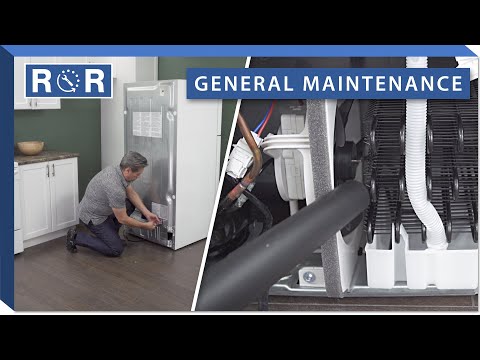
How to do it: First, unplug your refrigerator for safety. Depending on your model, you might need to remove a kick plate at the bottom front or pull the fridge away from the wall to access the coils. Use a vacuum cleaner with a brush attachment or a specialized condenser coil brush to gently remove all the accumulated dirt. Make sure to get into all the nooks and crannies.
For a visual demonstration of how to tackle this essential task, check out this helpful video: How to Clean Refrigerator Condenser Coils. It provides excellent step-by-step instructions to ensure you clean them effectively and safely.
Inspect and Clean Door Gaskets/Seals
The rubber seals (gaskets) around your refrigerator and freezer doors are vital for maintaining a consistent internal temperature. A compromised seal allows warm air to seep in, forcing your compressor to work overtime. This means higher energy bills and potential food spoilage.
How to do it: Examine the gaskets for any cracks, tears, or signs of wear. You can perform a simple "paper test": close the door on a piece of paper, and if you can pull it out easily, the seal might be weak. Clean the gaskets with warm, soapy water to remove any food residue or grime that could be preventing a tight seal. A little petroleum jelly applied sparingly can help keep older seals pliable.
Give Your Fridge a Deep Clean (Inside and Out)
Beyond aesthetics, a clean refrigerator interior prevents odors and germ buildup, while a clean exterior reduces dust and grime accumulation that can hinder ventilation.
How to do it: For the interior, remove all food items and shelves. Wash shelves, drawers, and walls with a solution of warm water and mild dish soap or a mixture of baking soda and water. For stubborn odors, a bowl of baking soda left inside for a few days works wonders. For the exterior, wipe down the doors and sides with an appropriate cleaner for your fridge's finish (stainless steel cleaner, all-purpose cleaner). Don't forget the top of the fridge!
Clear the Drain Hole and Drip Pan
Most refrigerators have a drain hole at the back of the fridge compartment that funnels condensation into a drip pan located near the compressor. If this drain hole gets clogged with food particles or ice, water can back up, leading to leaks inside the fridge or onto your kitchen floor.
How to do it: Locate the drain hole (often at the bottom back of the fresh food compartment). You can use a pipe cleaner, cotton swab, or a small, flexible wire to gently clear any blockages. While you're at it, inspect the drip pan (usually accessible from the back or underneath) for standing water or mold and clean it out.
Check and Replace Water Filter (If Applicable)
If your refrigerator has an ice maker or water dispenser, it likely has a water filter. These filters remove impurities from your water, but they have a finite lifespan.
How to do it: Most manufacturers recommend replacing the water filter every six months, but a yearly check is a good reminder. Refer to your owner's manual for the specific replacement schedule and instructions for your model. A clogged filter can reduce water flow and even affect ice production.
Verify Temperature Settings
Incorrect temperature settings can lead to food spoilage or even freezing. Maintaining the right temperature ensures food safety and optimal energy use.
How to do it: Use a refrigerator thermometer to confirm your fridge is maintaining a temperature between 35°F and 38°F (1.7°C and 3.3°C), and your freezer is at 0°F (-18°C). Adjust settings as needed.
Vacuum the Rear Grille and Fan
If your refrigerator has an exposed rear grille and fan (often found on older models or some specific designs), dust and debris can accumulate there, just like on the condenser coils. This can impede airflow and reduce cooling efficiency.
How to do it: With the refrigerator unplugged and pulled away from the wall, use a vacuum cleaner with a brush attachment to carefully clean the fan blades and the grille area. Be gentle to avoid damaging components.
The Payoff: Why Yearly Maintenance Matters
Investing a little time each year in these maintenance tasks brings significant rewards:
- Extended Lifespan: Regular care prevents premature wear and tear, helping your refrigerator last many years longer.
- Lower Energy Bills: A clean and efficiently running fridge consumes less electricity.
- Fewer Breakdowns: Proactive maintenance helps catch small issues before they become major, costly repairs.
- Optimal Performance: Your food stays fresher, and your ice maker works reliably.
- Food Safety: Proper temperatures and cleanliness ensure your food is stored safely.
When to Call the Pros
While many maintenance tasks are DIY-friendly, some issues require professional attention. If you notice unusual noises, persistent leaks after cleaning the drain, a complete lack of cooling, or if you're uncomfortable performing any of the maintenance steps, it's always best to contact a qualified appliance repair technician. Attempting complex repairs yourself can void warranties or cause further damage.
Keep Your Fridge Running Like New!
Don't wait for a problem to arise before thinking about your refrigerator's health. By dedicating a few hours once a year to this maintenance guide, you'll ensure your appliance continues to serve you efficiently and reliably for years to come. Need replacement parts for your refrigerator's seals, water filter, or other components? Our extensive inventory of high-quality appliance parts can help you get the job done right!