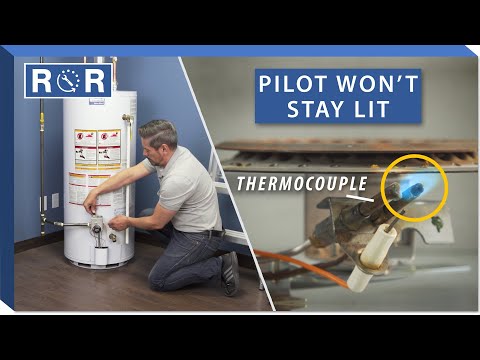
Water Heater Troubleshooting - Pilot Won't Stay Lit
Water Heater Troubleshooting: Why Your Pilot Light Won’t Stay Lit
There is hardly anything more frustrating than stepping into the shower, turning the handle, and being greeted by an icy blast of water. If you have a gas water heater, the root of the problem is often a pilot light that has gone out—or worse, one that simply refuses to stay lit once you let go of the control knob. Before you resign yourself to a cold morning or an expensive emergency plumbing bill, the good news is that you can often troubleshoot and fix this issue on your own.
To help you diagnose the problem safely, let's walk through the most common reasons a water heater pilot light goes out and how you can get your hot water back up and running. For a great visual walkthrough of this process, be sure to check out this helpful water heater troubleshooting video, which demonstrates how to inspect and test these components step-by-step.
1. The Faulty Thermocouple
By far the most common reason a pilot light won't stay lit is a defective thermocouple. The thermocouple is a copper safety device that sits directly in the pilot flame. Its job is to detect heat and send a tiny electrical current to the gas control valve, telling it that the flame is safely burning. If the thermocouple gets dirty, misaligned, or fails entirely, it won't generate that current. As a result, the gas valve automatically shuts off the supply for safety reasons, extinguishing the flame the moment you release the knob.
The Fix: Sometimes, a simple cleaning with fine sandpaper or emery cloth to remove soot and carbon buildup will restore the connection. However, if the thermocouple is old or damaged, you will need to replace it. They are inexpensive and widely available at local hardware stores or appliance parts suppliers.
2. A Weak or Improper Pilot Flame
Even if your thermocouple is in good working order, it won't generate enough voltage if the pilot flame itself is too small or weak. The flame needs to completely envelop the top third to half of the thermocouple tip. If the flame is sputtering, yellow instead of a crisp blue, or too small, it won't heat the sensor adequately.
The Fix: A weak flame is usually caused by a partially clogged pilot tube. Dust, spider webs, or debris can obstruct the tiny opening where the gas escapes. You can try carefully clearing the pilot orifice with a needle or compressed air. Additionally, a drafty utility room or water heater closet can blow the flame away from the thermocouple, preventing it from staying hot.
3. A Drafty Environment
Gas water heaters need oxygen to burn, but excessive airflow can actually work against you. If your water heater is located in a garage, basement, or utility room with strong drafts—or if the combustion chamber door is loose or missing—air currents can easily blow out the pilot light or push the flame away from the thermocouple.
The Fix: Check to ensure the outer door and inner combustion chamber cover of your water heater are securely sealed. If you notice heavy drafts in the room, you may need to block them or address ventilation issues around the appliance.
4. A Bad Gas Control Valve
If you have replaced the thermocouple, cleaned the pilot tube, and ensured a steady blue flame, but the pilot still refuses to stay lit, the issue might lie within the gas control valve itself. Over time, the internal magnetic safety switch inside the valve can fail, meaning it can no longer recognize the signal coming from the thermocouple, even if that signal is strong.
The Fix: Unfortunately, individual parts inside modern gas control valves usually cannot be repaired. If the valve mechanism is defective, the entire gas control valve assembly will need to be replaced, which is a job best handled by a licensed professional.
Know When to Call a Professional
While troubleshooting and replacing a thermocouple are straightforward DIY projects, working with natural gas or propane always requires caution. If you smell persistent gas odors that don't dissipate, or if you feel uncomfortable handling gas lines and pilot assemblies, turn off the gas supply immediately and call a qualified technician to service your water heater safely.