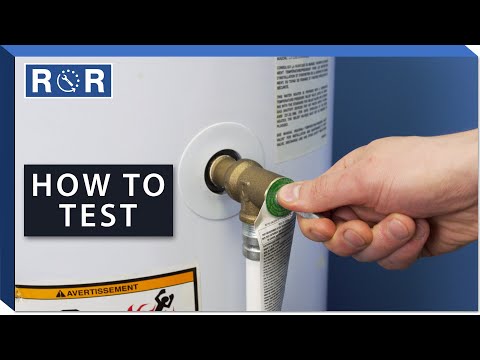
Water Heater Pressure Relief Valve Test
Why the Temperature and Pressure Relief Valve Matters
Your water heater is a hard-working appliance that operates under a lot of stress every single day. As it heats gallons of water, pressure builds up inside the tank. To keep your home safe from a catastrophic explosion, every standard water heater is equipped with a critical safety device: the Temperature and Pressure (T&P) Relief Valve. This unassuming brass valve is designed to automatically release water if the temperature or pressure inside the tank exceeds safe limits.
However, like any mechanical component, the T&P valve can fail over time due to mineral buildup, corrosion, or simple wear and tear. That is why performing a routine water heater pressure relief valve test is an essential part of home maintenance. Ignoring this simple test can lead to a stuck valve, putting your home at risk for severe water damage or even a dangerous tank rupture.
Signs That Your Relief Valve Needs Attention
Before testing the valve, it helps to know what warning signs to look for. If you notice water pooling around the base of your water heater, the T&P valve might be weeping or leaking due to excessive pressure in the system. On the flip side, if the valve remains completely silent and dry for years, it could actually be fused shut by mineral deposits. To see a firsthand demonstration of how these valves operate and how to approach them safely, check out this helpful water heater pressure relief valve test guide on YouTube.
Tools and Safety Precautions Before You Begin
Testing your water heater's pressure relief valve is a straightforward DIY task, but it does involve hot water and potentially high pressure. Safety should always come first. Before you begin, make sure you have the following:
- A bucket to catch any discharged water
- A pair of heavy-duty work gloves
- Eye protection
- A towel for minor cleanups
Always verify that the discharge pipe connected to the valve leads safely to a floor drain or bucket, and never plug or cap the end of this pipe. If you want a visual walkthrough of the safety steps and tools required, the featured video tutorial provides a clear, step-by-step demonstration.
Step-by-Step Guide to Testing Your T&P Valve
Once you are prepared with your safety gear and bucket, follow these simple steps to test the valve:
- Locate the Valve: Find the T&P valve, which is typically located on the top or side of your water heater tank with a discharge pipe pointing downward.
- Position Your Bucket: Place your bucket underneath the open end of the discharge pipe to catch any water that releases during the test.
- Lift the Test Lever: Carefully lift the test lever on the valve. You should hear a rushing sound as water and air escape through the discharge pipe. Note: The water coming out will be very hot!
- Snap the Lever Shut: Allow the lever to snap back into its closed position. The flow of water should stop immediately.
What to Do If the Valve Fails the Test
After you release the lever, pay close attention to the end of the discharge pipe. If the valve continues to drip or leak steadily after you have snapped it shut, it means mineral debris is likely trapped in the valve seal. Try lifting and snapping the lever a few more times to clear out the debris. If the leak persists, or if the valve fails to release any water at all when lifted, the valve is defective and must be replaced immediately. Fortunately, replacing a T&P valve is an inexpensive fix that prevents costly emergencies down the road.
Keep Your Home Safe with Routine Maintenance
Performing a water heater pressure relief valve test at least once a year takes only a few minutes, but it can save you from major headaches and costly repairs. By staying proactive with your appliance maintenance, you ensure the longevity of your water heater and the safety of your home. If you ever feel unsure about testing or replacing your appliance parts, don't hesitate to reach out to a professional repair technician for assistance.