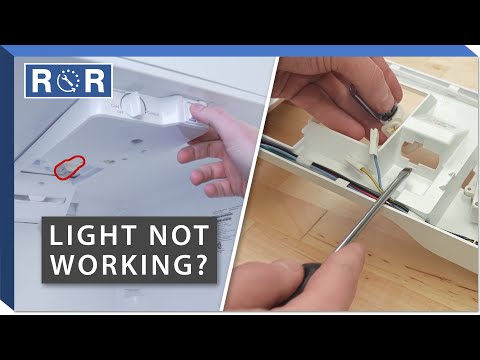
Refrigerator Light Isn't Working? (Complete Troubleshooting Guide)
Refrigerator Light Isn't Working? (Complete Troubleshooting Guide)
Opening your refrigerator door should always be a brightly lit affair, allowing you to easily spot that leftover lasagna or your favorite snack. But what happens when you open the door and... nothing? A dark fridge isn't just an inconvenience; it can make finding items a frustrating game of hide-and-seek, and even lead to food waste. Don't let a simple bulb keep you in the dark!
Before you panic or call for a professional, many common refrigerator light issues can be diagnosed and fixed with a few simple steps. This complete troubleshooting guide will walk you through everything from the easiest checks to more complex solutions, helping you bring the light back to your fridge.
Why a Working Refrigerator Light Matters
Beyond the obvious benefit of seeing what you're reaching for, a functional refrigerator light contributes to kitchen efficiency. It prevents you from rummaging around, which keeps the door open for shorter periods, helping your fridge maintain its internal temperature and saving energy. It also reduces the chances of accidentally knocking over items or damaging food packaging.
Start with the Simple Checks
Often, the problem is much simpler than you think. Always begin with these basic troubleshooting steps.
Is the Refrigerator Getting Power?
This might seem obvious, but it's worth checking. If your entire refrigerator isn't working (no cooling, no compressor sound), then the light is the least of your worries. Ensure the fridge is plugged securely into a working outlet. You can test the outlet with another small appliance, like a phone charger or a lamp. Check your home's circuit breaker box to see if a breaker has tripped.
The Light Bulb Itself: Burned Out or Loose?
This is by far the most common culprit. Just like any other light bulb, refrigerator bulbs have a lifespan and can burn out. They can also become loose due to vibrations from the compressor or frequent door openings.
- Check for Looseness: Carefully unscrew the bulb a quarter turn and then screw it back in firmly. Sometimes, that's all it takes!
- Inspect the Bulb: If tightening doesn't work, remove the bulb and inspect it. Look for a broken filament (the thin wire inside the glass). If it's broken or the glass looks discolored, it's likely burned out.
- Replace the Bulb: Always replace a refrigerator bulb with one of the correct wattage and type specified in your appliance's manual. Using the wrong bulb can cause issues. Many modern refrigerators use LED bulbs, while older models use incandescent.
Need a visual guide for replacing a refrigerator bulb? This helpful video walks you through the process: How to replace a refrigerator light bulb (YouTube).
The Light Switch (Door Switch)
Your refrigerator light doesn't stay on all the time; it's activated by a small switch that's usually located near the door hinge or at the top of the fridge compartment. When the door closes, it presses this switch in, turning the light off. When the door opens, the switch is released, turning the light on.
- Locate and Inspect: Find the small button or plunger-like switch.
- Test the Switch: With the door open, manually press the switch in and release it several times. Does the light flicker or turn on briefly? If it's stuck in the "off" position, it won't allow the light to come on.
- Clean the Switch: Sometimes, food debris or stickiness can cause the switch to get stuck. Use a cotton swab and a little rubbing alcohol to clean around it.
- Check for Damage: If the switch appears broken, cracked, or doesn't spring back properly, it may need to be replaced. This is a relatively inexpensive part and a common fix.
More Advanced Troubleshooting & Potential Issues
If the simple checks haven't solved the problem, it might be time to delve a little deeper.
Wiring Issues
Loose or damaged wiring can prevent power from reaching the light socket. This is more common in older appliances or if the fridge has been moved frequently.
- Safety First: ALWAYS unplug the refrigerator before inspecting any wiring.
- Visual Inspection: Carefully look for any frayed, cut, or disconnected wires leading to the light socket or the door switch.
- Professional Help: Unless you have experience with electrical work and appliance repair, it's best to call a qualified technician for wiring issues. Exposed wires are a safety hazard.
Faulty Light Socket
The socket where the bulb screws in can also be a source of trouble. Over time, corrosion can build up, or the internal contacts can become bent or damaged, preventing a good electrical connection.
- Safety First: Unplug the refrigerator before touching the socket.
- Inspect for Corrosion: Look inside the socket for any green or white buildup. You can try gently scraping it away with a small, non-metallic tool (like a plastic toothpick) or a cotton swab with rubbing alcohol.
- Check Contacts: Ensure the small metal tab at the bottom of the socket is slightly raised. This tab makes contact with the bottom of the bulb. If it's flattened, you can carefully and gently pry it up a tiny bit with a small screwdriver (with the fridge unplugged!).
- Damage: If the socket looks cracked, burned, or severely corroded, it will need to be replaced.
Control Board Malfunction (Less Common)
In modern, electronically controlled refrigerators, the main control board manages power distribution to various components, including the light. While less common for just the light to fail due to a control board issue (usually other functions would also be affected), it's a possibility if all other troubleshooting steps have failed.
- Diagnosis: Diagnosing a faulty control board typically requires specialized tools and expertise.
- Professional Help: This is almost always a job for a certified appliance repair technician. Control boards are expensive, and incorrect diagnosis can lead to unnecessary costs.
DIY or Call a Professional?
For simple fixes like replacing a bulb or cleaning/testing a door switch, most homeowners can comfortably handle the repair themselves. These are usually quick, inexpensive, and require minimal tools.
However, if the issue involves damaged wiring, a faulty light socket beyond simple cleaning, or suspicion of a control board problem, it's highly recommended to call a professional appliance repair service. Working with electricity can be dangerous, and incorrect repairs can lead to further damage to your appliance or even pose a fire risk.
Preventative Maintenance Tips
- Use the Right Bulb: Always replace a refrigerator bulb with the exact wattage and type specified by the manufacturer.
- Clean Regularly: Periodically wipe down the area around the door switch to prevent debris buildup.
- Gentle Door Closing: Avoid slamming the refrigerator door, as constant vibrations can loosen bulbs or damage components over time.
Don't Stay in the Dark!
A non-working refrigerator light is a common household annoyance, but as you've seen, it's often a straightforward fix. By systematically troubleshooting the problem, you can usually restore light to your fridge without much hassle. If you find yourself needing a replacement bulb, a new door switch, or even a more complex part, remember that quality appliance parts are essential for a lasting repair.
Still stumped? Don't hesitate to reach out to a professional appliance repair technician in your area. They can quickly diagnose and fix the problem, getting your refrigerator back to optimal function – and brightness!