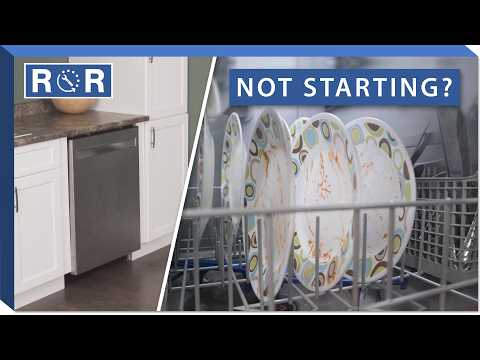
Dishwasher Won’t Start? Troubleshooting Guide
Dishwasher Won't Start? Your Essential Troubleshooting Guide
Few things are as frustrating as loading your dishwasher, pressing "start," and being met with… silence. A dishwasher that refuses to power on or begin its cycle can throw a wrench into your daily routine. But before you panic and call for a technician, there are several common culprits you can check yourself. Often, the fix is simpler than you think!
As experts in appliance parts and repair, we've put together this comprehensive troubleshooting guide to help you diagnose and potentially resolve why your dishwasher isn't starting. Let's get your dishes sparkling clean again!
1. Check the Power Supply
This might seem obvious, but it's the most frequent reason for a dishwasher not starting. Always begin here!
- Is it Plugged In? Sounds silly, but sometimes the plug can become loose, especially if the dishwasher has been moved or jostled.
- Test the Outlet: Plug in another small appliance (like a phone charger or a lamp) into the same outlet to confirm it's receiving power. If not, the issue might be with the outlet itself.
- Reset the Circuit Breaker: Dishwashers are often on a dedicated circuit. Head to your home's electrical panel and look for a tripped breaker (it will be flipped to the "off" position or somewhere in between "on" and "off"). Flip it completely off, then firmly back to the "on" position.
- Check for GFCI Outlets: If your dishwasher is connected to a Ground Fault Circuit Interrupter (GFCI) outlet (common in kitchens), it might have tripped. Press the "reset" button on the outlet.
The related video, "Dishwasher Won't Start? Troubleshooting Guide", also starts with a power check, emphasizing its importance. A quick visual inspection can save you a lot of time!
2. Inspect the Door Latch and Switch
For safety reasons, dishwashers are designed not to start if the door isn't securely closed and latched. A faulty door latch or switch is a very common reason for a non-starting dishwasher.
- Close it Firmly: Ensure the dishwasher door is completely closed and latched. You should hear a distinct click.
- Check for Obstructions: Sometimes, a large dish, a utensil, or even a small piece of food can prevent the door from closing properly. Clear any obstructions.
- Examine the Latch Mechanism: Visually inspect the latch assembly on the door and the strike plate on the dishwasher tub. Are there any visible signs of damage, wear, or misalignment?
- Door Latch Switch: The door latch assembly contains a small switch that tells the control board the door is closed. If this switch is faulty, the dishwasher won't start. The referenced video can be particularly helpful here, as it demonstrates how to access and inspect this component for common issues. A multimeter can be used to test for continuity if you're comfortable with electrical testing.
3. Verify the Water Supply
While your dishwasher might power on, it won't start a wash cycle if it's not getting water. This is slightly different from "won't start at all," but it's worth checking if you hear a hum but no water filling.
- Check the Faucet/Valve: Locate the water supply valve for your dishwasher (usually under the kitchen sink) and ensure it's fully open.
- Inspect the Water Inlet Hose: Make sure the hose isn't kinked, bent, or obstructed.
- Water Pressure: Ensure your home has adequate water pressure. If other faucets are also running slowly, the issue might be broader than just the dishwasher.
4. Review Control Panel Settings and Reset
Sometimes, the "problem" is simply a setting or a temporary glitch in the control system.
- Delay Start Activated? Many modern dishwashers have a "delay start" feature. Double-check that this hasn't been accidentally activated.
- Control Lock Engaged? Some models feature a "control lock" or "child lock" to prevent accidental operation. Look for an indicator light or symbol on your control panel and follow your manual's instructions to deactivate it.
- Perform a Hard Reset: Just like with a computer, sometimes a quick reset can clear minor electronic glitches. Turn off the circuit breaker for 5-10 minutes, then turn it back on. Alternatively, if your dishwasher has a "cancel" or "reset" button, try holding it down for a few seconds.
5. Check the Thermal Fuse
The thermal fuse is a crucial safety device designed to blow (or trip) if the dishwasher's internal temperature gets too high, preventing overheating and potential fire hazards. If it blows, the dishwasher will lose all power and won't start.
Checking and replacing a thermal fuse typically requires accessing the dishwasher's control panel or door assembly. This is where the referenced video, "Dishwasher Won't Start? Troubleshooting Guide", becomes an invaluable resource. The video clearly demonstrates how to locate and test the thermal fuse, often found near the control board or wiring harness. If you find the fuse is blown (you can test for continuity with a multimeter), it will need to be replaced. Ensure you purchase the correct thermal fuse for your specific dishwasher model.
Safety Note: Always disconnect power to the dishwasher at the circuit breaker before attempting any internal repairs or inspections.
6. Consider More Advanced Internal Components
If you've gone through the above steps and your dishwasher still won't start, the issue might lie with more complex internal components. These often require a bit more technical know-how and specialized tools.
- Motor Start Relay: This component helps kick-start the wash motor. If it's faulty, the motor won't engage.
- Main Control Board: The "brain" of your dishwasher, the control board sends signals to all other components. If it's defective, the entire unit can cease to function. Signs of a faulty board can include burnt spots or strange odors.
Diagnosing these components often involves electrical testing and can be complex. If you're not comfortable with these types of repairs, it's best to call in a professional.
When to Call a Professional Appliance Technician
While many dishwasher starting issues can be resolved with basic troubleshooting, there comes a point where professional help is the safest and most efficient option. If you:
- Are uncomfortable working with electricity or internal components.
- Don't have the necessary tools (like a multimeter).
- Have followed all troubleshooting steps and the problem persists.
- Notice burning smells, visible damage to wiring, or hear unusual noises.
Don't hesitate to contact a qualified appliance repair technician. They have the expertise to safely diagnose and repair complex issues, ensuring your dishwasher is back in working order without further damage.
Get Your Dishwasher Running Smoothly Again!
A non-starting dishwasher is definitely an inconvenience, but with this guide, you're well-equipped to tackle the most common problems. Remember to always prioritize safety by disconnecting power before inspecting internal components.
If you need replacement parts like a new thermal fuse, door latch assembly, or control board, be sure to visit our online store! We stock a wide range of genuine appliance parts to get your dishwasher back to peak performance. And if the repair feels beyond your comfort level, our certified technicians are always ready to help!