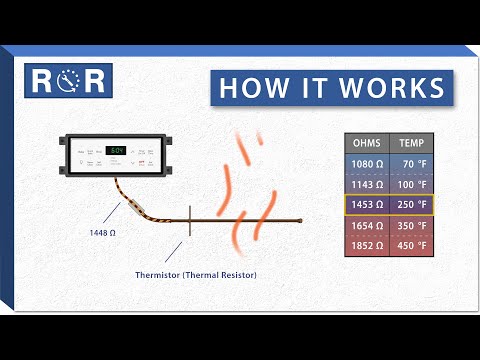
Oven Temperature Sensor - How it Works
Unlock Perfect Baking: How Your Oven Temperature Sensor Really Works
Ever wonder what magic ensures your oven bakes that cake to golden perfection or roasts your chicken evenly? While the heating elements do the heavy lifting, there's a small, unsung hero working tirelessly behind the scenes: the oven temperature sensor. This tiny component is crucial for accurate cooking and preventing culinary catastrophes. But how exactly does it work its magic? Let's pull back the curtain and explore the fascinating science that keeps your oven consistently hot.
What is an Oven Temperature Sensor?
Simply put, an oven temperature sensor is a small probe or rod, typically found inside your oven cavity, usually mounted on the back wall or ceiling. Its primary job is to constantly monitor the internal temperature of the oven. While it might look unassuming, it's the eyes and ears of your oven's control system, providing vital feedback that dictates when the heating elements should turn on or off.
The Science Behind the Heat: How It Works
Most modern oven temperature sensors are a type of resistor called a thermistor. Specifically, they are often Negative Temperature Coefficient (NTC) thermistors. Here's a breakdown of how they function:
Resistance Changes with Temperature: The core principle is that the electrical resistance of the thermistor changes in direct response to the temperature around it. For an NTC thermistor, as the temperature inside the oven increases, its electrical resistance decreases. Conversely, as the oven cools, its resistance increases.
Sending a Signal: This change in resistance isn't just an internal phenomenon. The sensor is connected by wires to your oven's main control board (sometimes called the Electronic Range Control or ERC). As the resistance changes, it alters the electrical current flowing through the sensor, effectively sending a unique electrical signal that corresponds to the oven's current temperature.
The Control Board's Role: The control board is the brain of your oven. It's programmed with the temperature you've set (e.g., 350°F). It continuously "reads" the electrical signal coming from the temperature sensor. If the sensor reports that the oven is below the set temperature, the control board signals the heating elements (bake or broil) to turn on.
Maintaining Accuracy: Once the oven reaches or slightly exceeds the set temperature, the sensor's signal tells the control board to turn off the heating elements. The oven then gradually cools slightly until the sensor signals the control board to turn the elements back on. This constant cycling of heating elements, guided by the sensor's feedback, is how your oven maintains a remarkably stable internal temperature, ensuring even cooking.
For a visual understanding of how these sensors are typically located and connected within an oven, you might find this video helpful: Oven Temperature Sensor Overview.
Why is an Accurate Sensor So Important?
A properly functioning oven temperature sensor is vital for several reasons:
Perfect Cooking Results: It ensures your oven heats to and maintains the exact temperature you set, preventing burnt edges, undercooked centers, and inconsistent baking.
Energy Efficiency: By precisely regulating the heating elements, a good sensor prevents the oven from overheating unnecessarily or constantly struggling to reach temperature, saving energy.
Safety: While not its primary safety mechanism, an accurate sensor helps prevent extreme temperature fluctuations that could potentially lead to safety concerns.
Preventing Error Codes: Many ovens are designed to display error codes (like F3 or F4, depending on the brand) if the sensor is malfunctioning, alerting you to a problem before it ruins your dinner.
Signs of a Failing Oven Temperature Sensor
Because the sensor is so critical, a faulty one can cause a range of noticeable problems:
Inaccurate Temperatures: Your oven consistently bakes too hot or too cold, despite your settings.
Food Burning or Undercooking: Recipes that usually turn out perfectly now fail consistently.
Long Preheat Times: The oven takes an unusually long time to reach the desired temperature, or never seems to get there.
Error Codes: Your oven display shows an error code related to temperature sensing (consult your owner's manual for specific codes).
Oven Continuously Heating: The heating elements stay on constantly, making the oven dangerously hot, or conversely, never seem to turn on at all.
Can You Replace It Yourself?
For many oven models, replacing the temperature sensor is a relatively straightforward DIY repair. The process typically involves disconnecting power to the oven, locating the sensor inside the cavity, unplugging its connector, unmounting it, and then installing the new one in reverse order. However, if you're uncomfortable working with electrical appliances or aren't sure about your oven's specific model, it's always best to consult a professional appliance technician.
If you're ready to tackle the repair yourself, make sure to purchase a genuine replacement part specifically designed for your oven model to ensure compatibility and accurate performance.
Conclusion
The humble oven temperature sensor plays an indispensable role in modern kitchens, ensuring precise cooking and reliable performance. Understanding how it works not only demystifies your appliance but also empowers you to recognize when something might be amiss. If your oven is acting up, don't overlook this critical component. A quick check or replacement could be all it takes to get you back to baking and roasting with confidence!