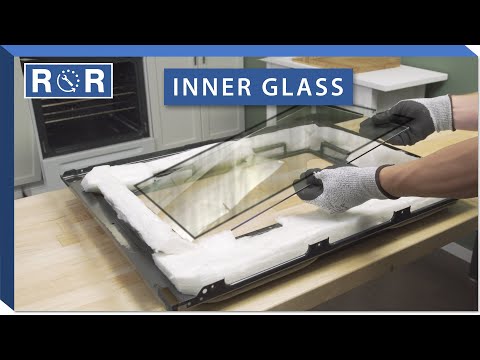
Oven Inner Door Glass
The Clear View to a Perfect Meal: Understanding Your Oven's Inner Door Glass
There's nothing quite like watching your culinary creations brown to perfection through the oven door. That clear view isn't just for aesthetics; it's made possible by your oven's inner door glass, a critical component that plays a much larger role than you might think. More than just a window, this specialized glass is essential for heat retention, energy efficiency, and ultimately, the safe and effective operation of your appliance. But what happens when this crucial component cracks or breaks? Let's take a closer look.
Why Does My Oven Inner Door Glass Break or Crack?
While designed to withstand high temperatures, oven inner door glass isn't indestructible. Several factors can lead to damage:
- Impact Damage: This is perhaps the most common culprit. Accidentally dropping a heavy pan, bumping the door with a sturdy utensil, or even a child's toy can cause the glass to crack or shatter.
- Thermal Shock: Although rare with modern ovens, extreme temperature changes can stress the glass. For instance, splashing cold water directly onto a hot oven door, or even very cold air hitting a very hot surface, could potentially cause damage.
- Manufacturing Defects: On occasion, a hairline crack might develop due to a microscopic flaw in the glass itself, exacerbated by repeated heating and cooling cycles.
- Overtightening Screws: During a previous repair or installation, if the screws holding the glass in place were overtightened, it can create stress points that lead to cracking over time.
Is It Safe to Use an Oven with a Cracked Inner Door Glass?
Absolutely not. Using an oven with a damaged inner door glass poses several significant risks:
- Heat Loss and Inefficiency: The inner door glass is a vital part of your oven's insulation system. A crack or break compromises this insulation, allowing heat to escape. This means your oven will struggle to maintain temperature, cook food unevenly, and consume more energy.
- Safety Hazard: The most serious concern is safety. A damaged inner pane can weaken the entire door structure. There's a risk of the glass shattering further, potentially sending sharp shards flying, especially if subjected to continued heat and stress. Furthermore, without proper insulation, the outer door can become dangerously hot, posing a burn risk.
- Compromised Cooking: Beyond safety, compromised heat retention will lead to longer cooking times and inconsistent results, ruining your culinary efforts.
For these reasons, if your oven's inner door glass is cracked or broken, it's crucial to stop using the oven immediately and arrange for repair or replacement.
Replacing Your Oven Inner Door Glass: A DIY Guide (with Video Reference)
Replacing the inner door glass can be a manageable DIY project for those comfortable with basic repairs, though it requires patience and attention to detail. Here’s a general overview of the process:
- Order the Correct Part: This is critical. Oven door glass is specific to your oven's make, model, and sometimes even serial number. Always consult your appliance's manual or an online parts diagram to ensure you order the exact replacement part.
- Safety First: Before you begin, always unplug your oven from the power outlet or switch off its breaker.
- Remove the Oven Door: Most oven doors can be removed by unlatching the hinges and lifting them straight up. Lay the door on a protected, flat surface.
- Disassemble the Door: You'll typically need to remove screws around the perimeter of the door to separate the inner and outer panels. Be careful as there might be multiple layers of glass.
- Replace the Glass: Carefully remove the old, broken glass and insert the new pane, ensuring it's seated correctly within its frame or gasket.
- Reassemble and Reinstall: Put the oven door back together in reverse order, being careful not to overtighten screws. Reinstall the door onto the oven.
- Test: Plug the oven back in and do a quick visual check.
For a helpful visual demonstration of how oven door glass replacement can be done, check out this video: How to Replace Oven Door Glass. Remember that specific steps may vary depending on your oven model, so always refer to your own appliance's service manual for precise instructions.
If you're unsure about any step or uncomfortable performing the repair yourself, it's always best to contact a qualified appliance repair technician. They have the tools and expertise to ensure the repair is done safely and correctly.
Maintaining Your Oven Door Glass
Prevention is always better than cure. Here are a few tips to help prolong the life of your oven's inner door glass:
- Gentle Cleaning: Avoid harsh, abrasive cleaners or scouring pads directly on the glass, as these can scratch the surface or weaken it over time. Use recommended oven cleaner or a soft cloth with warm, soapy water.
- Avoid Impact: Be mindful when moving pots, pans, or baking sheets around the oven, especially near the door.
- Temperature Control: While rare, try to avoid extreme temperature differentials. For example, don't place extremely cold items directly on a hot glass surface if the door is open.
- Regular Inspections: Periodically check the glass for any small chips or hairline cracks. Addressing these early can prevent larger problems.
Don't Let a Cracked View Spoil Your Feast!
Your oven's inner door glass is more than just a window; it's a vital safety and performance component. A clear, intact pane ensures your oven operates efficiently, cooks food evenly, and most importantly, keeps your kitchen safe. If you notice any damage, don't delay – address the issue promptly to get back to enjoying perfectly baked and roasted meals with a clear view!