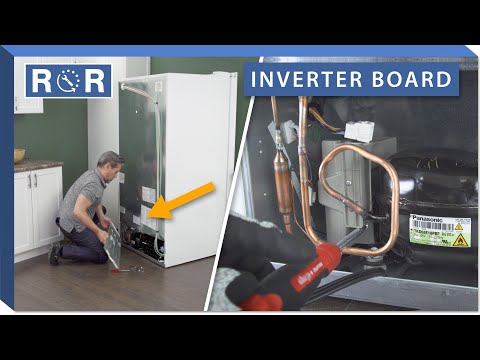
Inverter Control Board (Refrigerator Compressor)
The Silent Brain of Your Fridge: Understanding the Refrigerator Inverter Control Board
Modern refrigerators are marvels of engineering, designed to keep your food fresh while consuming less energy. At the heart of this efficiency, especially in newer models, lies a sophisticated component known as the inverter control board. Often overlooked until something goes wrong, this board plays a critical role in how your refrigerator's compressor operates, directly impacting its performance and your energy bill.
If your fridge isn't cooling, making unusual noises, or showing other signs of distress, a failing inverter board might be the culprit. Understanding what it does and how to recognize its failure can save you a lot of headache and potentially a costly food spoilage disaster.
What Exactly is an Inverter Control Board?
Gone are the days when most refrigerator compressors simply cycled on and off at full power. That "clunk" you used to hear was the compressor kicking in. Today's high-efficiency refrigerators often use a variable-speed compressor, and that's where the inverter control board comes in.
The inverter board acts as the "brain" for your refrigerator's compressor. Instead of just turning the compressor on or off, it precisely regulates the electrical current and frequency supplied to the compressor motor. This allows the compressor to run at various speeds, from a slow hum to full power, depending on the cooling demands of the refrigerator. This dynamic control offers several significant benefits:
- Energy Efficiency: By only using the power needed, the fridge consumes less electricity.
- Consistent Temperature: Smoother operation leads to more stable internal temperatures.
- Quieter Operation: Variable speeds reduce sudden starts and stops, making the fridge much quieter.
- Extended Compressor Lifespan: Less stress from constant full-power cycling can prolong the compressor's life.
Signs Your Refrigerator Inverter Control Board Might Be Failing
Because the inverter board directly controls the compressor, its failure will often manifest as cooling problems. Here are the most common symptoms to watch for:
- Refrigerator Not Cooling: This is the most obvious sign. If your fridge feels warm and the freezer isn't freezing, but the lights are on and other components (like fans) seem to be working, the inverter board or compressor could be at fault.
- Compressor Not Running: You might not hear the typical compressor hum at all. The inverter board might not be sending the necessary power to start it.
- Compressor Running Erratically: The compressor might start and stop frequently, or cycle on for very short periods.
- Unusual Noises: While inverter boards are designed for quiet operation, a faulty one might cause the compressor to make strange buzzing, humming, or clicking noises as it struggles to operate.
- Intermittent Cooling Issues: Your fridge might cool sometimes and not others, indicating an unstable power supply from the board.
- Diagnostic Error Codes: Many modern refrigerators will display an error code on their digital display if there's a problem with the compressor or its control system. Consult your owner's manual to decipher these codes.
Why Do Inverter Boards Fail?
Like any electronic component, inverter control boards are susceptible to failure for several reasons:
- Power Surges: Fluctuations in household electricity or lightning strikes can fry sensitive electronics.
- Heat Exposure: Located near the compressor, the board can be exposed to high temperatures, which can degrade components over time.
- Age and Wear: Components simply wear out after years of continuous operation.
- Manufacturing Defects: Though less common, a faulty board can sometimes be present from the factory.
Troubleshooting Your Refrigerator's Inverter Board
Diagnosing an inverter control board issue can be tricky and often requires specialized knowledge and tools. However, there are some basic checks you can perform safely, keeping in mind that high voltage is involved. If you're not comfortable with electrical work, it's always best to call a professional.
One helpful resource for visual diagnosis is videos that demonstrate the process. For example, a video like "How to Test an Inverter Board and Compressor on Refrigerator" can provide valuable insights. While we always recommend caution and professional assistance for electrical repairs, such videos often show:
- Visual Inspection: Look for obvious signs of damage on the board, such as burn marks, bulging capacitors, or discolored components. These are clear indicators of failure.
- Checking Connections: Ensure all wiring harnesses are securely plugged into the inverter board and the compressor. Loose connections can mimic board failure.
- Testing Voltage (Advanced): For those with electrical testing experience, the video demonstrates how to safely check for voltage output from the inverter board to the compressor. If the board is receiving power but not sending the correct voltage to the compressor, it's likely faulty.
Important Safety Note: Always unplug your refrigerator before performing any inspection or attempting to access internal components. Working with live electricity is extremely dangerous.
DIY vs. Professional Repair
While some minor appliance repairs can be a DIY project, troubleshooting and replacing an inverter control board is generally best left to a certified appliance technician. Here's why:
- Complexity: These boards are complex electronic circuits. Misdiagnosis can lead to replacing the wrong part or causing further damage.
- Safety: As mentioned, high voltage is present. Incorrect handling can lead to serious injury or even death.
- Specialized Tools: Proper diagnosis often requires a multimeter and an understanding of electrical readings.
- Warranty: Attempting a repair yourself might void your refrigerator's warranty.
A professional technician has the expertise, tools, and experience to accurately diagnose the problem and replace the inverter board safely and correctly. They can also determine if the issue is with the inverter board, the compressor itself, or another related component.
Replacing an Inverter Control Board
If the inverter control board is indeed the problem, a replacement is usually straightforward for a skilled technician. They will disconnect the old board, connect the new one, and test the refrigerator's operation. It's crucial to use the correct replacement part, as inverter boards are specific to refrigerator make and model. Using a generic or incorrect board can damage your compressor or other components.
Conclusion
The inverter control board is a small but mighty component, silently orchestrating your refrigerator's compressor for optimal cooling and energy efficiency. While its failure can be frustrating, recognizing the signs and understanding its function empowers you to make informed decisions about repair. For most homeowners, the safest and most reliable path to getting your fridge back in working order is to contact a qualified appliance repair professional. They'll ensure your silent brain is functioning perfectly once again, keeping your food fresh and your energy bills low.