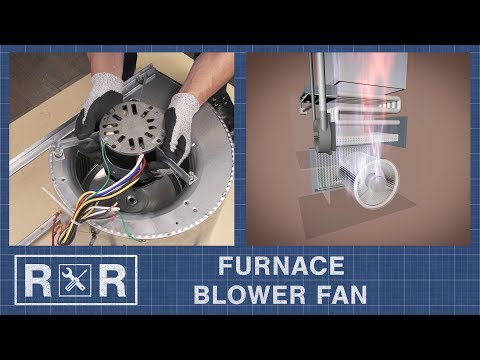
Furnace - Blower Fan
Understanding Your Furnace Blower Fan: Symptoms, Troubleshooting, and Repairs
When the cold winter months arrive, your furnace becomes the most critical appliance in your home. While the burner heats the air, it is the furnace blower fan (also known as the blower motor assembly) that actually pushes that warm air through your ductwork and into your living spaces. Without a properly functioning blower fan, your furnace cannot distribute heat, leaving your home cold and risking damage to the heating system itself due to overheating.
If you are experiencing weak airflow, unusual noises, or a complete lack of heat, your furnace blower fan may be the culprit. In this comprehensive guide, we will explore how your blower fan works, how to identify common failure symptoms, and how to troubleshoot or replace it safely.
Signs Your Furnace Blower Fan Is Failing
A failing blower motor rarely stops working without warning. Usually, it will exhibit several warning signs that homeowners should watch out for. Identifying these symptoms early can save you from an emergency system breakdown in the middle of a freezing night.
Weak Airflow: If you feel very little air coming out of your heating vents, even though you can hear the furnace running, the blower fan may be struggling to spin at its proper speed.
Strange Noises: Loud screeching, squealing, rattling, or clanking noises coming from the furnace cabinet are clear indicators of mechanical wear. Squealing often points to worn-out bearings or a slipping belt (in older belt-driven models), while rattling suggests a loose fan wheel or debris inside the housing.
The Smell of Burning: An overheated blower motor can emit a strong burning smell, often accompanied by the furnace shutting itself off. This occurs when the motor is drawing too much electrical current or is seized up.
Short Cycling: If your furnace runs for only a few minutes and then shuts off before reaching the desired temperature, it may be overheating. When the blower fan fails to move the hot air away from the heat exchanger, safety sensors (like the limit switch) will shut the system down to prevent a fire.
How to Troubleshoot Your Blower Fan
Before purchasing replacement parts, perform these basic troubleshooting steps to rule out simpler issues:
1. Check the Thermostat: Ensure the thermostat is set to "Heat" and the fan setting is set to "On" or "Auto." Setting the fan to "On" should run the blower continuously, allowing you to test if the motor is receiving power and spinning.
2. Inspect the Air Filter: A heavily clogged air filter restricts airflow, forcing the blower motor to work significantly harder. This extra strain can cause the motor to overheat and trip its internal thermal overload switch. Replace a dirty filter and allow the motor to cool down before trying again.
3. Reset the Circuit Breaker: Locate your home's main electrical panel and check if the breaker labeled for the furnace has tripped. If it has, reset it. If it trips again immediately, you likely have an electrical short in the blower motor or control board.
4. Check the Capacitor: Most single-phase blower motors use a run capacitor to help start and run the motor. If the capacitor is bulging, leaking, or has failed, the motor may hum loudly but refuse to spin. Replacing a capacitor is a quick and inexpensive fix compared to replacing the entire motor.
Replacing Your Furnace Blower Motor
If you have determined that the blower motor itself is burned out or seized, replacing it is a highly manageable DIY project for homeowners with basic hand tools. Working inside a furnace requires strict adherence to safety protocols to prevent electrical shock or injury.
Always shut off the electrical power to your furnace at the main circuit breaker panel and turn off the gas supply before opening the furnace cabinet. Use a non-contact voltage tester to verify that there is absolutely no power running to the unit before touching any wires.
To help you navigate this repair safely and effectively, we highly recommend watching this step-by-step furnace blower fan repair video guide. Visualizing the removal of the blower housing, disconnecting the wire harness, and swapping out the motor will give you the confidence needed to complete the job successfully.
When to Call an HVAC Professional
While many homeowners can successfully replace a blower motor or capacitor, certain situations warrant calling a certified technician. If your furnace is still under manufacturer warranty, attempting a DIY repair could void your coverage. Additionally, if your troubleshooting reveals complex electrical issues, a cracked heat exchanger, or damage to the integrated furnace control (IFC) board, professional diagnostics are highly recommended to ensure your home's safety.
Regular maintenance, such as replacing your air filters every 1 to 3 months and vacuuming out dust from the blower compartment, will significantly extend the lifespan of your furnace blower fan. Keep your system clean, listen for unusual noises, and address minor issues promptly to keep your home warm and comfortable all winter long.