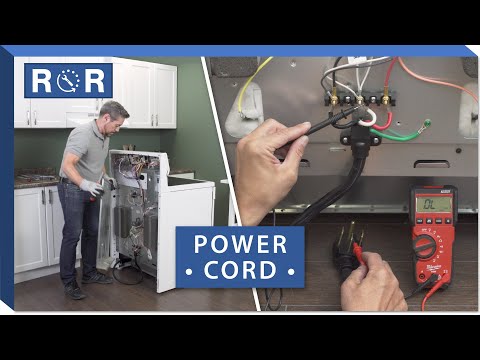
Oven Power Cord
The Unsung Hero: Understanding Your Oven's Power Cord
Your oven is the heart of your kitchen, baking delicious treats and roasting savory dinners. But like any powerful appliance, it relies on a crucial, often overlooked component to function safely and efficiently: its power cord. Far more than just a wire, your oven's power cord is a vital link to your home's electrical system, and understanding its role, common issues, and replacement needs is essential for both safety and performance.
What Exactly is an Oven Power Cord?
An oven power cord is a heavy-duty electrical cable designed to carry the significant amount of electricity required to power your range or oven. Unlike smaller appliances, ovens typically use a 3-prong or 4-prong cord, depending on your home's electrical wiring and the appliance's requirements. This distinction is crucial:
- 3-Prong Cords: Used in older homes or specific installations where the neutral and ground wires are combined at the appliance's terminal block.
- 4-Prong Cords: More common in modern homes, providing separate neutral and ground wires for enhanced safety.
Even gas ovens require a power cord, though it's typically a standard 3-prong cord. This cord powers components like the electronic ignition, internal lights, convection fan, and digital display, not the primary heating element.
Why Your Oven Power Cord Matters: Safety and Performance
A healthy power cord is non-negotiable for two main reasons: safety and optimal oven performance. A damaged or improperly installed cord can lead to:
- Electrical Fires: Frayed wires, loose connections, or an overloaded circuit can generate excessive heat, posing a serious fire hazard.
- Electric Shock: Exposed wires or faulty grounding can lead to dangerous electrical shocks.
- Appliance Malfunction: Inconsistent power supply can cause your oven to heat unevenly, fail to reach temperature, or stop working altogether.
- Tripped Breakers: A short circuit or excessive draw from a damaged cord can repeatedly trip your home's circuit breaker.
Common Issues with Oven Power Cords
Over time, oven power cords can develop various problems. Keep an eye out for these tell-tale signs:
- Visible Damage: Fraying, cracks in the insulation, cuts, or scorch marks on the cord itself or around the plug.
- Burning Smell: A distinct odor of burning plastic or electrical components, often indicating overheating.
- Loose Connections: The plug feels loose in the outlet, or the cord wiggles easily at the oven's terminal block.
- Intermittent Power: Your oven turns on and off sporadically, or certain functions (like the light or fan) work intermittently.
- Oven Not Heating: While many things can cause this, a faulty power cord or connection could be the culprit.
- Hot Plug or Outlet: If the plug or wall outlet feels unusually warm to the touch, it's a sign of overheating.
When to Replace Your Oven Power Cord
If you observe any of the common issues listed above, it's time to replace your oven power cord immediately. Do not attempt to repair a damaged cord with electrical tape or other makeshift solutions; this is extremely dangerous and could worsen the problem. Replacement is the only safe and effective solution.
DIY vs. Professional Replacement: A Crucial Decision
Replacing an oven power cord involves working with high voltage and specific wiring configurations. While some homeowners with electrical experience may feel comfortable tackling this task, it's not a job for the inexperienced. Safety should always be your top priority.
For those considering a DIY replacement, we highly recommend consulting comprehensive visual guides. This video, How to install a 3-wire or 4-wire power cord on a range, offers an excellent walkthrough of the process, demonstrating the steps for both 3-wire and 4-wire setups. It's an invaluable resource for understanding the proper connections and safety measures.
If you're unsure about any step, lack the proper tools, or simply don't feel confident working with electricity, it's always best to call a certified appliance technician. They can ensure the job is done safely, correctly, and in compliance with local electrical codes.
Choosing the Right Replacement Cord
If you do decide to replace the cord yourself or purchase one for a technician, ensure you select the correct type:
- Amperage and Gauge: Check your oven's manual or nameplate for the required amperage and corresponding wire gauge. Oven cords are typically 6-gauge or 8-gauge, but always verify.
- 3-Prong or 4-Prong: Match the cord type to your home's outlet and your oven's terminal block configuration. The video referenced above also helps in identifying these.
- Length: Choose a cord that is long enough to reach the outlet without being stretched taut, but not so long that it creates a tripping hazard or gets tangled.
- UL Listed: Always choose a cord that is UL (Underwriters Laboratories) listed, ensuring it meets strict safety standards.
Installation Tips (If You're DIYing)
Before you even think about touching the cord, ALWAYS turn off the power to your oven at the circuit breaker. Verify the power is off with a voltage tester. When connecting the new cord, pay close attention to the color-coded wires and their corresponding terminals (ground, neutral, hot). The video tutorial is particularly helpful for visualizing these connections accurately.
Preventative Maintenance for Your Oven Cord
A little care can go a long way in extending the life of your oven's power cord:
- Avoid Pinches and Kinks: Ensure the cord isn't trapped or bent sharply behind the oven or against a wall.
- Keep Away from Heat: Position the oven so the cord is not in direct contact with hot surfaces.
- Regular Visual Inspections: Periodically pull the oven out (carefully!) to check the cord for any signs of wear or damage.
- Proper Outlet Use: Never force a plug into an outlet, and ensure the outlet itself is in good condition.
Don't Overlook the Power!
The oven power cord, though often out of sight, is a critical component for the safe and effective operation of your appliance. Paying attention to its condition can prevent dangerous situations and costly repairs. If you notice any signs of trouble, act quickly to replace it. Need a new oven power cord or professional assistance? Our team is here to help you find the right parts or connect you with experienced technicians to keep your kitchen running smoothly and safely.