How an Electric Range Works
Understanding Your Electric Range: A Look Under the Hood
Your electric range is a kitchen workhorse, silently toasting, baking, and boiling your way through countless meals. But how exactly does this everyday appliance transform electricity into cooking heat? While it might seem like magic, the process is rooted in simple yet ingenious electrical principles. Let's pull back the curtain and explore the inner workings of your electric range.
The Basics: Powering Up
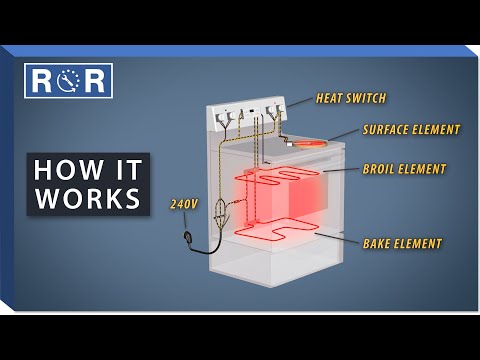
At its core, an electric range operates on the principle of electrical resistance. When electricity flows through a material that resists its passage, that resistance generates heat. Your range connects directly to your home's electrical panel, drawing a significant amount of power (typically 240 volts) to generate the high temperatures needed for cooking. This power is then directed to various heating elements throughout the appliance.
Surface Elements: The Heat Above
Whether your range features traditional coiled elements or a sleek, smooth ceramic glass top, the concept is similar:
- Coil Elements: These are made from a high-resistance metal alloy, often Nichrome, encased in a metal tube. When electricity passes through the coil, the resistance causes it to glow red-hot, directly transferring heat to your cookware.
- Smooth-Top Elements: Beneath the glass, you'll find radiant heating elements – often coiled resistance wires or halogen lamps – that also glow red-hot. The heat radiates upwards through the ceramic glass, heating your pots and pans.
When you turn a surface burner dial, you're typically engaging an "infinite switch" or "simmerstat" that cycles power to the element on and off. A higher setting means the element stays on for longer periods, leading to more consistent heat.
Oven Elements: The Heat Below (and Above)
The oven cavity typically uses two main heating elements:
- Bake Element: Located at the bottom of the oven, this element is responsible for most of the baking heat. Like surface elements, it's a resistance wire encased in a protective sheath. When powered, it heats up, radiating warmth throughout the oven.
- Broil Element: Positioned at the top, the broil element is designed for intense, direct heat, perfect for browning or searing. It operates at a higher temperature than the bake element and often cycles on and off to maintain the set broil temperature.
Some modern ranges also feature a convection fan that circulates hot air for more even cooking, but the primary heat still comes from these resistance elements.
Temperature Control: The Brains of the Operation
Maintaining a precise temperature is crucial for successful cooking.
- Surface Element Control: As mentioned, infinite switches regulate surface burner heat by varying the duration of power delivery.
- Oven Temperature Control: This is where things get a bit more sophisticated.
- Older Ranges: May use a mechanical thermostat that expands and contracts with temperature changes, opening and closing electrical contacts to cycle power to the elements.
- Modern Ranges: Rely on an electronic control board working in conjunction with a temperature sensor (often a thermistor) inside the oven cavity. The sensor sends resistance readings to the control board, which then turns the bake and broil elements on or off to maintain the desired temperature.
Pro Tip: If your oven isn't heating properly, or if it's cycling erratically, the temperature sensor or the control board could be faulty. For a great visual guide on how to locate and even test these critical components, check out this helpful video: Electric Range Troubleshooting: Oven Not Heating Up - Temperature Sensor & Control Board Test. This video demonstrates common testing procedures that can help diagnose issues with your oven's heating system.
Safety Features
Electric ranges incorporate several safety features to prevent accidents:
- Indicator Lights: "Hot Surface" lights warn you when a burner is still hot, even after it's been turned off.
- Thermal Fuses: These sacrificial components will trip and cut power if the range overheats, preventing damage or fire.
- Oven Door Locks: Essential for self-cleaning cycles, these prevent the door from being opened when temperatures are extremely high.
Common Issues and What They Mean
Understanding how your range works can help you pinpoint common problems:
- Burner Not Heating: Could be a faulty element, a bad infinite switch, or a loose wire connection.
- Oven Not Reaching Temperature / Uneven Heating: Often points to a failing bake or broil element, a faulty temperature sensor, or a problem with the electronic control board. (Remember the video reference here for testing!)
- Range Not Turning On: Could be a tripped circuit breaker, a blown thermal fuse, or an issue with the main control board.
Conclusion
From the simple glow of a surface burner to the precise temperature regulation of the oven, your electric range is a marvel of engineering designed for efficiency and convenience. While its operation might seem complex, it all boils down to safely harnessing electricity to generate heat. Knowing the basics empowers you not only to appreciate your appliance more but also to better understand when it might need a little TLC. If you ever find your electric range isn't performing as it should, don't hesitate to consult a professional or explore our extensive range of genuine appliance parts for DIY repairs!