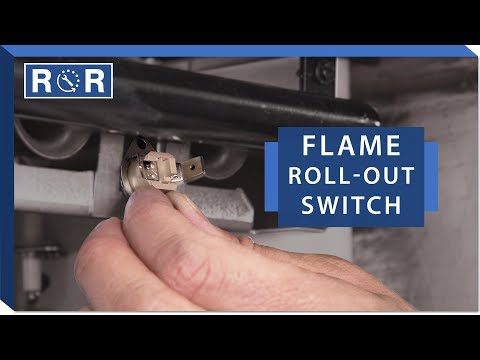
Furnace - Flame Roll-Out Switch
When the winter chill sets in, your home’s furnace is the unsung hero that keeps your living space warm and comfortable. However, furnaces rely on combustion to generate heat, which means they require robust safety mechanisms to protect your home from fire and dangerous gases. One of the most critical safety components in a modern gas furnace is the flame roll-out switch.
If your furnace has suddenly stopped working and is flashing a specific error code, a tripped flame roll-out switch might be the culprit. Understanding what this switch does, why it trips, and how to safely address the issue is essential for every homeowner.
What is a Flame Roll-Out Switch?
The flame roll-out switch is a small, heat-sensitive safety device located near the furnace’s burner assembly. In a properly functioning furnace, the burners ignite, and the draft inducer fan draws the flames and hot combustion gases directly into the heat exchanger. The heat exchanger keeps these combustion products isolated while transferring heat to the air circulating through your home.
A "flame roll-out" occurs when the flames, instead of being drawn into the heat exchanger, roll backward or outward into the burner compartment. Because this area contains electrical wiring, gas valves, and control boards, escaping flames pose a severe fire hazard. The flame roll-out switch is designed to detect this excess heat immediately. When it reaches a specific temperature threshold, the switch trips, opening the electrical circuit and instantly cutting power to the gas valve to shut down the furnace.
Common Signs of a Tripped Flame Roll-Out Switch
When a flame roll-out switch trips, your furnace will behave in a very specific manner to protect itself. Look out for the following warning signs:
- The Furnace Shuts Down Quickly: The furnace may start up, ignite for a few seconds, and then abruptly shut down before heating your home.
- Blower Fan Runs Constantly: To help cool down the system, many furnaces are programmed to run the blower fan continuously when a safety limit is tripped.
- Diagnostic LED Error Codes: Modern furnaces have a control board with a blinking LED light. The sequence of blinks corresponds to a specific error code listed on the furnace door panel, often indicating a "limit switch open" or "roll-out switch lockout."
Why Does Flame Roll-Out Happen?
A tripped roll-out switch is not a nuisance fault; it is a direct warning that something is wrong with your furnace's combustion or venting process. The most common causes of flame roll-out include:
1. A Cracked Heat Exchanger: This is the most serious and dangerous cause. If the metal heat exchanger develops a crack, the pressure from the indoor blower fan can force air into the combustion chamber. This disrupts the draft, pushing the flames backward out of the burner tubes. A cracked heat exchanger can also leak deadly carbon monoxide into your home.
2. Blocked Exhaust Venting: Your furnace needs to expel combustion gases through a flue pipe or chimney. If this vent is blocked by a bird's nest, debris, snow, or ice, the exhaust gases have nowhere to go. The resulting backpressure pushes the flames outward.
3. Dirty or Clogged Burners: Over time, dust, rust, and soot can accumulate on the burners. This buildup restricts the smooth flow of gas and air, causing delayed ignition or uneven burning, which can lead to a roll-out effect.
How to Test and Diagnose the Flame Roll-Out Switch
If you suspect the roll-out switch is the issue, you can perform a quick diagnostic test using a digital multimeter. Before performing any work, always turn off the electrical power and the gas supply to your furnace.
Most flame roll-out switches are "normally closed" thermal switches. This means that under normal operating conditions, electricity flows freely through the switch. When it trips, the internal bimetal disc warps, opening the circuit and stopping the flow of electricity.
To test the switch, set your multimeter to the ohms (Ω) setting or continuity mode. Disconnect the two wire leads from the switch terminals and place your meter leads on the terminals. If the switch is functioning normally and has not tripped, the meter should show continuity (a reading close to zero ohms or a beep). If the meter shows "OL" (open loop) or no continuity, the switch has tripped or failed.
For a visual, step-by-step demonstration of how to locate, test, and replace this component, you can watch this helpful repair video.
Safety First: Why You Should Never Just Reset the Switch
Many flame roll-out switches feature a manual reset button (a small red or black button in the center of the switch). While pressing this button might temporarily get your furnace running again, you should never simply reset the switch and walk away.
Because the flame roll-out switch is a safety device, a tripped switch means a potentially hazardous condition occurred inside your furnace. Resetting the switch without diagnosing and fixing the root cause of the roll-out can lead to a house fire or carbon monoxide poisoning. If the switch trips repeatedly, shut down the furnace immediately and call a licensed HVAC professional to inspect the heat exchanger and venting system.
Keep Your Home Safe and Warm
Your furnace's flame roll-out switch is a small but vital component designed to keep your family safe. If your switch has failed electrically but your furnace is otherwise clean and safe, replacing the switch is a straightforward DIY task. However, if the switch tripped due to a cracked heat exchanger or venting issue, professional intervention is required.
Regular annual furnace maintenance—including cleaning the burners, checking the flue vent, and inspecting the heat exchanger—is the best way to prevent flame roll-outs and ensure your heating system operates safely all winter long.